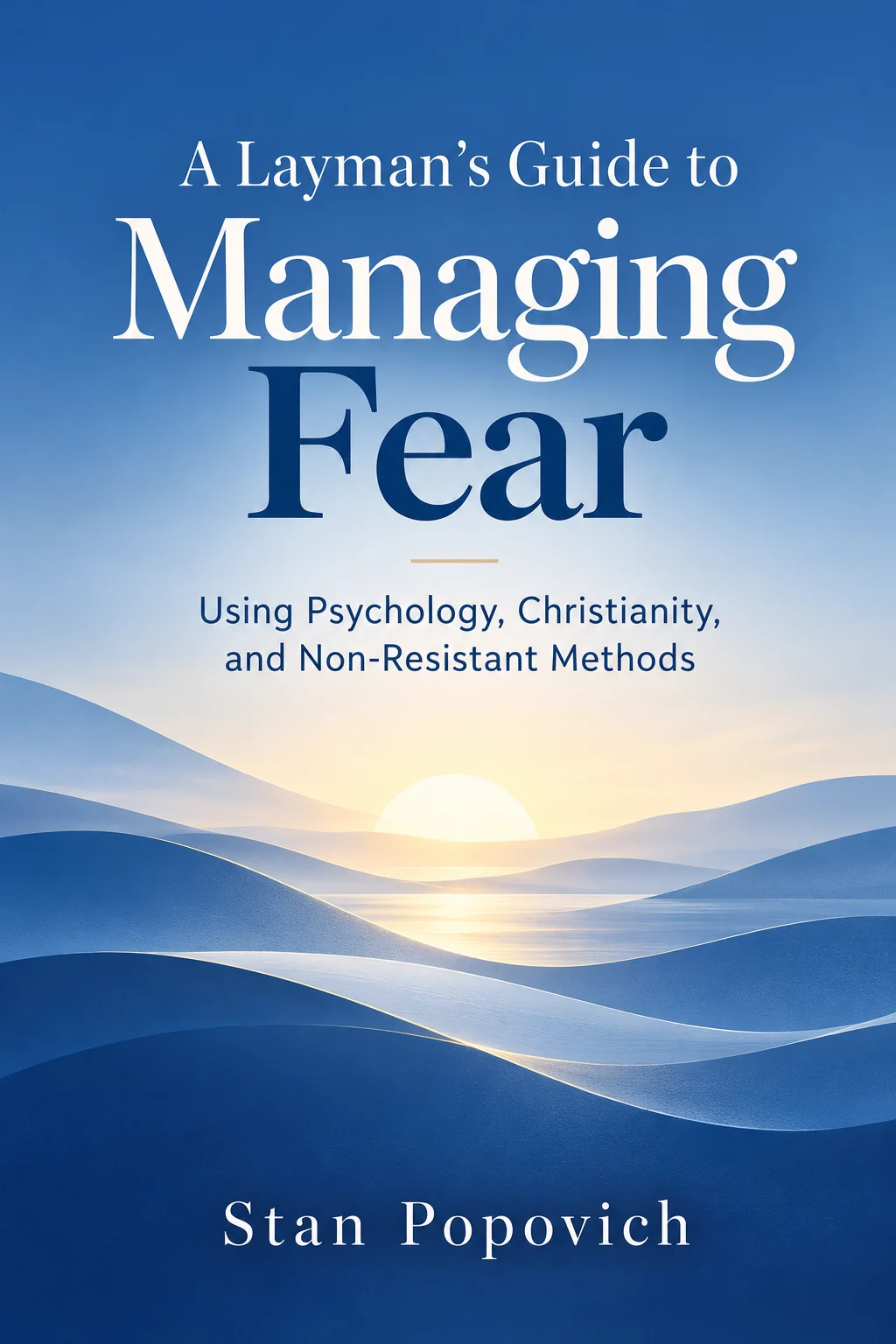
The Managing Fear Framework
A practical, step-by-step way to respond to fear using a variety of strategies instead of relying on one technique. Explore different tools, find what works for you, and build a flexible approach you can use again and again.
A broader approach than one single fix
Many people try to manage fear by searching for a single solution. The Managing Fear Framework combines several strategies and techniques from Stan’s book, A Layman’s Guide to Managing Fear, so you can explore different tools and discover what fits your needs.
Stan has more than 20 years of experience managing his own fears, and has shared his work in 30+ TV and radio appearances and more than 100 newspapers and magazines.
Who can benefit
- You feel recurring fear or anxiety in everyday situations
- You want different techniques, not a single approach
- Anxious thoughts or worries leave you overwhelmed
- You want tools to practice at your own pace
- You’re supporting a friend or family member
- You want extra resources to use alongside counseling
Your order of operations for the moment fear shows up
Use these steps anywhere: at work, at home, in the car. Each comes with a real-life example.
- Step 1
Notice the fear
Name what you feel: panic, intrusive thoughts, or setbacks.
Example: When your heart races at a crowded store, pause and label the feeling instead of avoiding it. - Step 2
Ground yourself
Use practical techniques to create space to respond rather than react automatically.
Example: If you feel the urge to avoid something, you might say, “I am noticing anxiety” and take a small step forward. - Step 3
Engage
Use multiple strategies that work for you.
Example: Choose one or more coping techniques that fit your situation. Different situations may require different tools, so be willing to combine strategies and discover what works best for you. - Step 4
Take one small step
Move forward gradually with a manageable step when appropriate.
Example: Instead of going straight to a big social event, start with a 10-minute coffee meetup. - Step 5
Reflect and adjust
Ask yourself: What worked? What can I tweak next time? Treat setbacks as practice, not failure.
Example: After a stressful conversation, jot down what helped you stay calm and what you can try differently next time.
How using several strategies can help
More options
Different techniques give you more ways to respond to fear.
Less helplessness
Knowing you have several tools can ease feelings of helplessness and anxiety.
Easy to adjust
When one strategy isn’t helping, you can switch to another.
Fits your personality
Trying different methods shows you what works for your needs.
Steady progress
Mental health challenges are often complex. Combining strategies supports realistic progress.
Resilience
Practicing different techniques builds confidence for difficult situations.
Explore more fear management resources

How to Manage Persistent Fear and Anxiety (8 Proven Strategies)
Managing fear and anxiety is possible using practical techniques. Stan Popovich shares 8 proven strategies to gain control. Read the full guide now!
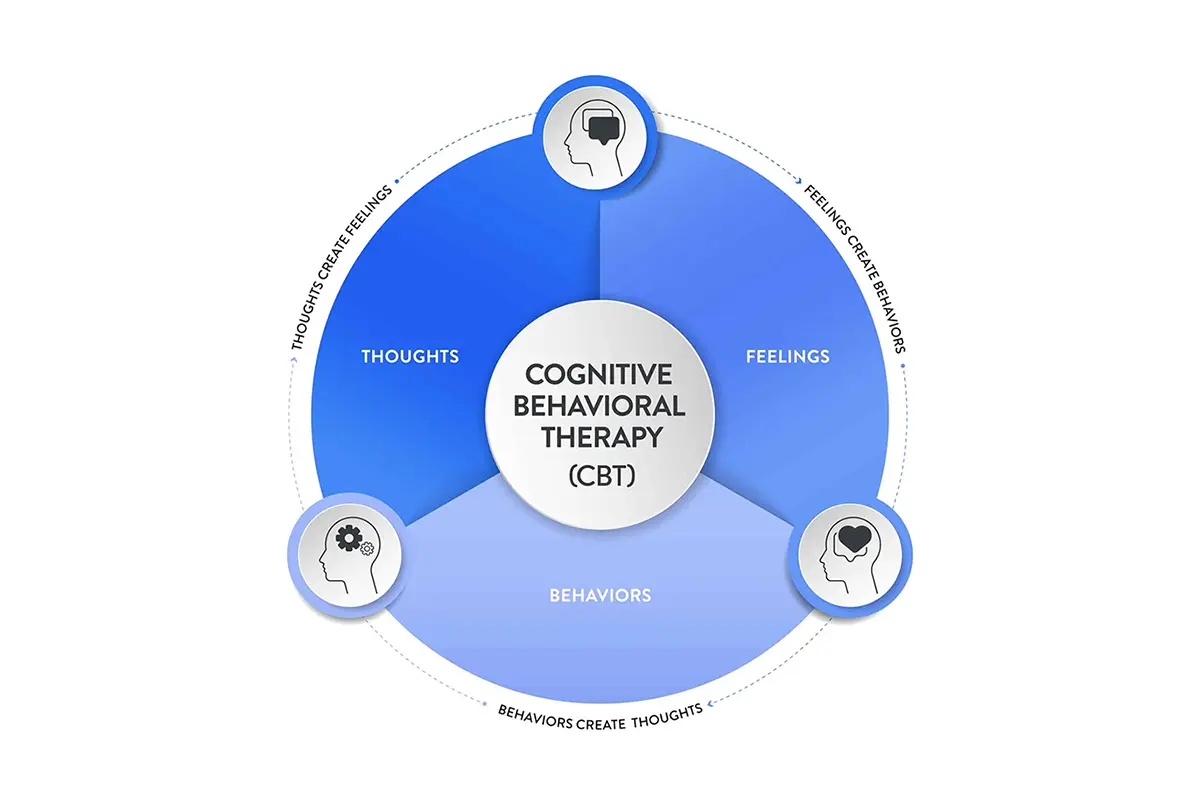
How to Manage Fearful and Obsessive Thoughts
Overcome fear with Stan Popovich's 20+ years of insight. You can manage fearful thoughts by changing responses using ERP. Master your anxiety today!

How to Help Someone Struggling With Fear and Anxiety
Help someone with anxiety by offering active, non-judgmental support. Learn practical techniques from 20-year expert Stan Popovich. Read the guide!

How to Deal With Panic Attacks: Practical Coping Strategies
To stop a panic attack, use slow breathing and challenge fearful thoughts. Author Stan Popovich shares practical fear management tips. Read the guide today!

How to Stop Worrying So Much: Practical Strategies
Stop worrying by challenging negative thoughts and building resilience. Stan Popovich shares practical strategies to manage fear. Read this guide now!

Mindfulness Tips: Simple Techniques to Reduce Stress and Worry
Mindfulness lowers stress by anchoring focus to the present. Discover practical techniques for managing fear and anxiety by Stan Popovich. Try them today!
Fear rarely disappears after one try.
Learning how fear works, and having several strategies ready, helps you respond better when it returns. The book collects more than 200 of them.