How to Help Someone Struggling With Fear and Anxiety
Help someone with anxiety by offering active, non-judgmental support.


Need Help With a Mental Health or Substance Use Crisis? If you or someone you know is experiencing a mental health or substance use crisis, call or text 988 to reach the 988 Suicide & Crisis Lifeline. For information about substance use treatment and referrals, call SAMHSA’s National Helpline at 1-800-662-HELP (4357).
How Can You Help Someone Struggling With Anxiety?
You can help someone struggling with anxiety by listening without judgment, offering emotional support, learning about their challenges, encouraging professional help, and respecting their pace. Small actions such as showing patience, validating their feelings, and helping them find resources can make a meaningful difference.
What Are the Mental Health Warning Signs?
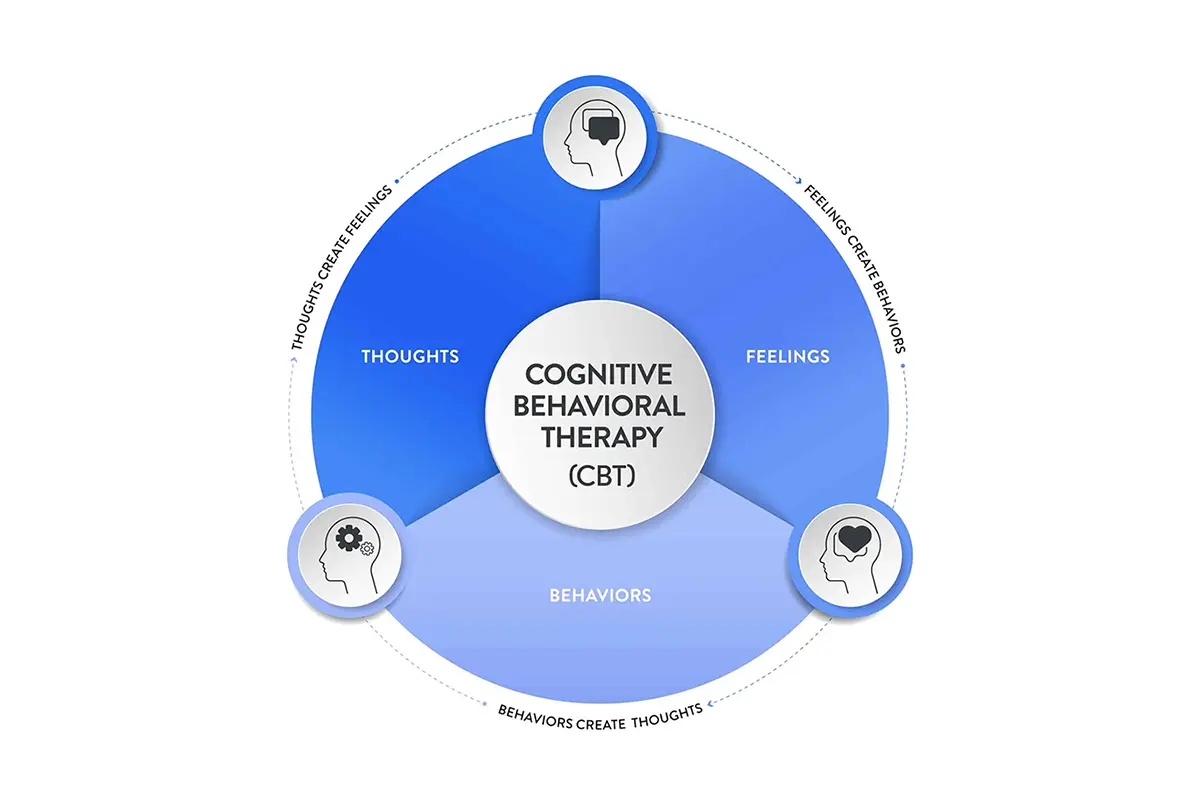
Mental health challenges can affect how a person thinks, feels, and behaves, making daily life, relationships, and well-being harder to manage. Common warning signs include depression, ongoing worry, mood swings, difficulty concentrating, changes in sleep or appetite, loss of interest in activities, social withdrawal, loneliness, and using substances to cope. Recognizing these signs early can help you support a friend or loved one and encourage them to seek professional help.
According to the National Institute of Mental Health (NIMH), changes in thoughts, feelings, or behaviors that interfere with daily life can be signs that someone may need mental health support.
Practical Ways to Support Someone With Fear and Anxiety
Supporting someone who struggles with fear and anxiety requires patience, understanding, and compassion. The following practical strategies can help you provide encouragement, offer meaningful support, and help your loved one find appropriate resources when needed.
1. Learn about anxiety and depression:Learn as much as you can about anxiety, fear, and depression. Share helpful resources with your friend and gently explain why seeking guidance is important for their mental health.
2. Let them share at their pace:Let the person share their problems at their own pace. Don’t pressure them to talk when they are not ready to. Be respectful, compassionate, and empathetic to their feelings by engaging in active listening.
3. Be patient and understanding:Managing depression and anxiety can be difficult so it’s best to give the person some space. Do not get into arguments with your friends who may be having a difficult time with their anxieties. Listen to the person rather than making judgments.
4. Be mindful of your language:The way you communicate can have a significant impact. Avoid using phrases that might dismiss their feelings or experiences. Instead, validate their emotions and let them know it’s OK to feel what they’re feeling.
5. Address barriers:Address the issues on why the person does not want treatment. Many people who are struggling are fearful and frustrated. Identify why your friend is hesitant to seek help and explore ways to reduce their resistance.
6. Ask others for their opinions:Seek advice from your doctor or local mental health counselor who can assist the person you know with their mental health issues. A medical professional can give you some ideas on how to convince the person to seek treatment.
7. Know your limits:You will have your own limits on the support that you can provide and it’s important to take care of yourself. Create a support network of other friends, relatives, and mental health professionals who can help the person.
8. Encourage professional help:It’s important to help the person find a mental health professional and other resources in their community. Remind them that asking for help is a sign of strength, not weakness. Make sure you stay persistent in trying to get the person some guidance.
9. Offer ongoing support:Recovery from a mental health challenge is not a straightforward process. Typically, there are ups and downs and periods of setbacks. Be ready to provide support and encouragement to your loved one for the long run, not just during an immediate crisis.
10. Support other family members:Mental illness and addiction affect the whole family, as well as the person’s friends. It is important that everyone receives the support they need. Give what assistance you can, without overwhelming yourself.
Examples of Managing Fear in Real-Life Situations

A Layman’s Guide to Managing Fear has 200+ practical strategies for fear, worry and anxiety.
Get the book · $9.99A Friend Who Is Withdrawing Because of Anxiety
A friend who is struggling with anxiety may begin avoiding social activities, spending more time alone, or withdrawing from people they normally enjoy being around. Instead of pressuring the person to explain what is wrong, you can let them talk at their own pace and listen without judgment. Let them know that you care and that they do not have to handle everything alone. You might also offer practical help, such as finding information about professional support or accompanying them when appropriate. Being patient and maintaining regular contact can help the person feel supported while they work through their difficulties.
A Loved One Who Is Reluctant to Get Professional Help
Someone experiencing ongoing anxiety may be hesitant to speak with a counselor or other mental health professional. They may worry about being judged, believe they should handle the problem themselves, or feel uncertain about what treatment involves. Rather than arguing with them, try to understand what is making them uncomfortable. Listen to their concerns, provide reliable information, and encourage them to consider professional support when appropriate. You can offer to help them find resources, but it is also important to respect their pace unless there is an immediate safety concern.
Helping Someone While Protecting Your Own Well-Being
Supporting someone with ongoing anxiety can become stressful, especially when you feel responsible for solving their problems. For example, you may spend so much time helping a loved one that you neglect your own responsibilities, relationships, or need for rest. Remember that you can provide support without being responsible for managing the person’s mental health. Set reasonable boundaries, stay connected with your own support network, and seek guidance when needed. Taking care of your own well-being can help you remain patient and supportive over the long term.
My Personal Experience
I have lived with fear and anxiety for more than 20 years, and I have learned that supporting someone who is struggling can be challenging. In my experience, listening without immediately trying to solve their problems can be a helpful way to offer support.
For example, a friend once asked me to talk with his friend Mike, who was struggling with addiction. We were at a bookstore, so I sat down with Mike and gave him my full attention as he explained what he was going through. I listened for about 20 minutes without interrupting or immediately offering advice. After he finished, I shared a few suggestions that might help him.
This experience taught me that people sometimes need someone to listen and understand their struggles before they are ready to consider possible solutions.
If you or someone you know is in crisis in the U.S., call or text 988 to reach the 988 Suicide & Crisis Lifeline, available 24/7. This article is educational and is not a substitute for professional care.
Stan is the author of A Layman’s Guide to Managing Fear and the creator of the Managing Fear Framework. He has lived with anxiety for more than 20 years and has been featured on 30+ TV and radio programs.
More about Stan →