When to Get Help for Fear and Anxiety: Why Support Matters
Professional support is essential for managing fear and anxiety.


Why Is Getting Help for Fear and Anxiety Important?
Getting help for your fear and anxiety is important because professional support can help you manage stress, anxiety, depression, and other challenges before they become more overwhelming. A counselor or mental health professional can provide guidance, coping strategies, and a safe space to understand your thoughts and emotions.
What Is Mental Health Counseling?
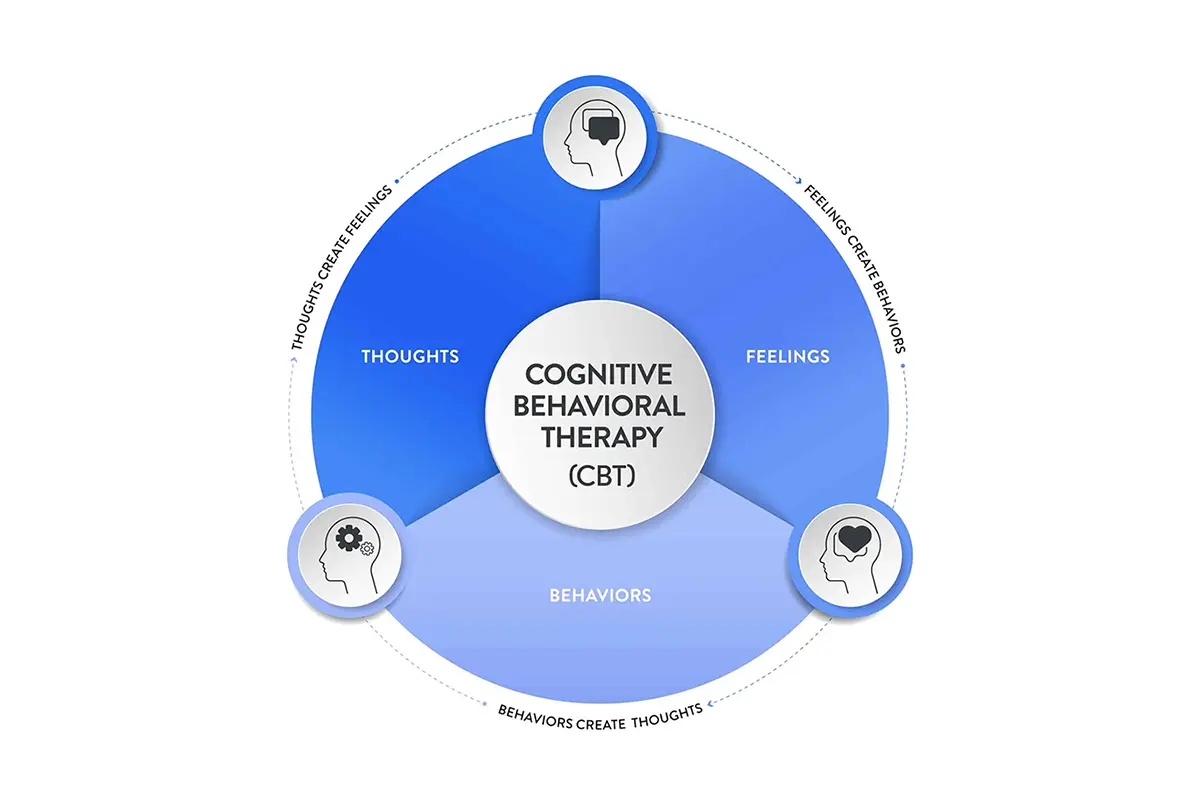
Mental health counseling is a professional service designed to help people manage emotions, cope with challenges, and improve overall well-being. Therapists use evidence-based approaches, such as cognitive-behavioral therapy (CBT), to help change unhelpful thoughts, behaviors, and emotional responses.
Counselors guide individuals in developing coping strategies, improving communication, building self-esteem, and making positive changes that support long-term mental health.
According to the National Institute of Mental Health (NIMH), psychotherapy can help people identify and change troubling emotions, thoughts, and behaviors, and cognitive behavioral therapy (CBT) is one type of psychotherapy used to address these concerns.
Why Is Counseling Important for Fear and Anxiety?
Counseling can provide professional guidance, practical coping strategies, and emotional support to help you better manage your fears and improve your overall well-being. Here are some reasons why counseling is so important.
1. Develop coping skills:Mental health professionals help you build and strengthen tools to manage stress, anxiety, and life’s challenges effectively.
2. Access specialized care:Some mental health challenges require professional support beyond self-help. Therapy, medication management, and counseling groups provide guidance, tools, and expertise to help you navigate and recover from serious or long-term conditions.
3. You don’t have to go it alone:Fears, anxieties, and depression can be hard to handle by yourself. Seeking professional guidance gives you direction and support to start the recovery process.
4. You will get better:Working with a counselor can help reduce your fears and negative thoughts, guide you toward solutions, and support your overall well-being. With professional guidance, you’ll gain the tools and confidence to feel better and manage life’s challenges more effectively.
5. Prevent escalation:If left unattended, mental health problems typically deteriorate with time. Early treatment can prevent such outcomes and keep people from reaching a situation where things get out of control.
6. Enhance overall health:Poor mental health is linked to various medical issues, including poor sleep, obesity, digestive problems, and other illnesses. Seeking help minimizes the risk of developing other health conditions, which can make things much worse.
7. Restore balance:Mental health treatment brings about balance in people’s lives and recovery. Counseling provides tools and techniques to manage stress effectively A person with the proper help is then enabled to handle their problems without relapsing.
8. Boost self-esteem:Therapy can help you challenge negative thoughts, build self-compassion, increase values, and increase confidence. Working with a counselor can strengthen your sense of self-worth and encourage a more positive outlook on life.
9. Receive support in a safe space:You will have people in your corner who will be able to help improve your mental health issues. You won’t feel alone when managing your fears. Being with supportive people who understand your situation makes things easier.
10. Invest in yourself:Therapy can equip you with the tools and strategies to navigate life’s challenges and setbacks, fostering personal growth and self-improvement. It is a way to invest in your future and create a healthier and happier life.
A Layman’s Guide to Managing Fear has 200+ practical strategies for fear, worry and anxiety.
Get the book · $9.99Examples of Managing Fear in Real-Life Situations
Anxiety Is Starting to Interfere With Everyday Life
Fear or anxiety may begin interfering with your daily routine. You might struggle to concentrate, avoid activities you enjoy, or spend too much time worrying about everyday situations. When anxiety makes daily responsibilities difficult, consider talking with a qualified mental health professional. A counselor can help you understand your concerns and develop practical coping strategies. You can also talk with someone you trust about your experiences. Seeking support does not mean you cannot handle your problems. It means you are taking your concerns seriously and looking for additional ways to manage your fear and anxiety.
Self-Help Strategies Are Not Enough
You may have tried several self-help strategies to manage fear or anxiety but still feel overwhelmed. For example, relaxation techniques, exercise, positive thinking, or talking with friends may not provide enough relief. When your efforts are not enough, consider seeking help from a qualified mental health professional. A counselor can help you recognize patterns and develop strategies suited to your needs. You do not have to wait until your problems become more serious before asking for help. Professional support can complement the healthy coping strategies you are already using.
Fear or Anxiety Is Affecting Work, School, or Relationships
Fear or anxiety can affect important areas of life, including work, education, and relationships. You might struggle to concentrate, avoid school activities, or withdraw from friends and family. When anxiety interferes with daily responsibilities, consider speaking with a qualified mental health professional. A counselor can help you identify your challenges and develop practical coping strategies. You can also explain your needs to people you trust when you feel comfortable doing so. Seeking support can help you manage anxiety while maintaining your daily responsibilities and relationships.
My Personal Experience
I have lived with fear and anxiety for more than 20 years, and I have learned that managing difficult fears alone can sometimes be challenging. In my experience, asking for help does not mean you are unable to handle your problems.
For example, I reached a point when I realized I no longer wanted to manage my fear and anxiety alone, so I decided to talk with a counselor. During our conversations, I learned strategies and information that gave me a different perspective on managing my fears. I found this guidance helpful in dealing with what I was experiencing.
This experience taught me that, for me, reaching out for support and learning more about anxiety was more helpful than keeping my struggles to myself and allowing my worries to become overwhelming.
If you or someone you know is in crisis in the U.S., call or text 988 to reach the 988 Suicide & Crisis Lifeline, available 24/7. This article is educational and is not a substitute for professional care.
Stan is the author of A Layman’s Guide to Managing Fear and the creator of the Managing Fear Framework. He has lived with anxiety for more than 20 years and has been featured on 30+ TV and radio programs.
More about Stan →