When Friends Don’t Understand Your Anxiety: How to Find Support
To find support when friends don't understand your anxiety, try joining a mental health group.


How Can You Talk About Your Anxiety With Others?
Talking about your mental health starts with being honest about what you’re experiencing, choosing someone you trust, and sharing at your own pace. You do not have to explain everything at once. A simple conversation about your feelings, challenges, and support needs can help others understand you and provide encouragement.
Why Is It Important to Talk About Mental Health?
Mental health awareness involves understanding mental health, reducing stigma, and encouraging open conversations. Like physical health, it means recognizing signs, offering support, and creating a safe space for those struggling. Awareness fosters empathy and acceptance instead of judgment or shame.
Mental health stigma arises when people hold negative beliefs or stereotypes about someone with a mental health condition. Stigma can make it harder to seek help, feel accepted, or follow treatment. Clinically, stigma may lead to self-blame, avoidance of care, or increased anxiety, fear, and depression.
According to the National Institute of Mental Health (NIMH), stigma and misunderstanding about mental health conditions can make it harder for people to seek help and receive the support they need.
How Does Mental Health Stigma Affect People?
Stigma can lead to shame, hopelessness, or isolation, reluctance to seek help or follow treatment, limited understanding or support from others, experiences of bullying, harassment, or discrimination, and decreased self-esteem or self-doubt.
Practical Ways to Talk About Your Mental Health With Others
Talking about your mental health with others can be difficult, especially when you worry about being misunderstood or judged. The following practical strategies can help you communicate your feelings, set healthy boundaries, and find the support you need.
1. Listen to the professionals:While your friends and family may mean well, a licensed counselor understands your situation and can provide expert guidance. They can help you navigate your challenges and offer strategies to manage anxiety or fear. Reach out to a counselor if you need support or have questions about your mental health.
2. Clarify what you want to say:Write down what you want to say to your friends and loved ones. Remember that it’s OK to keep some details private. You don’t have to share your specific diagnosis or what kind of treatment/support you are receiving if you’re not comfortable doing so.
3. Avoid arguments:Avoid getting into conflicts with people who aren’t supportive. Your priority is your mental health, so focus on getting the help and relief you need rather than others’ opinions.
4. Pace the conversation:Understanding mental health takes time. Give others space to process what you’ve shared and revisit the conversation later to explain more about your experiences if needed.
5. Prioritize your well-being:Don’t get caught up arguing with others or seeking their approval. Your main priority is your mental health and taking steps to feel better.
6. Encourage learning:The best way for friends and family to support you is by understanding your mental health. They can speak with a counselor, read reliable resources, or join a support group to gain insight into your experiences.
7. Distance yourself from difficult people:Distance yourself from those who won’t try to understand what you are going through. You need to surround yourself with positive and supportive people. If you have problems or issues with a particular person, you can ask a counselor for advice.
8. Remember you’re not alone:It can be frustrating when those around you don’t understand your struggles. You’re not alone in this—millions of people face anxiety, fear, and depression. The important thing is to connect with others who can relate and offer support.
9. Join a mental health support group:There are many mental health awareness support groups in your area. Hospitals, churches, and counselors in your area can provide you with a list of these organizations. These groups can give you additional advice regarding your problems.
10. Find an advocate:A supportive advocate can help you express your needs and navigate conversations about your mental health. Start by identifying trusted individuals in your life, then have open and honest discussions about your feelings and what support would be helpful.
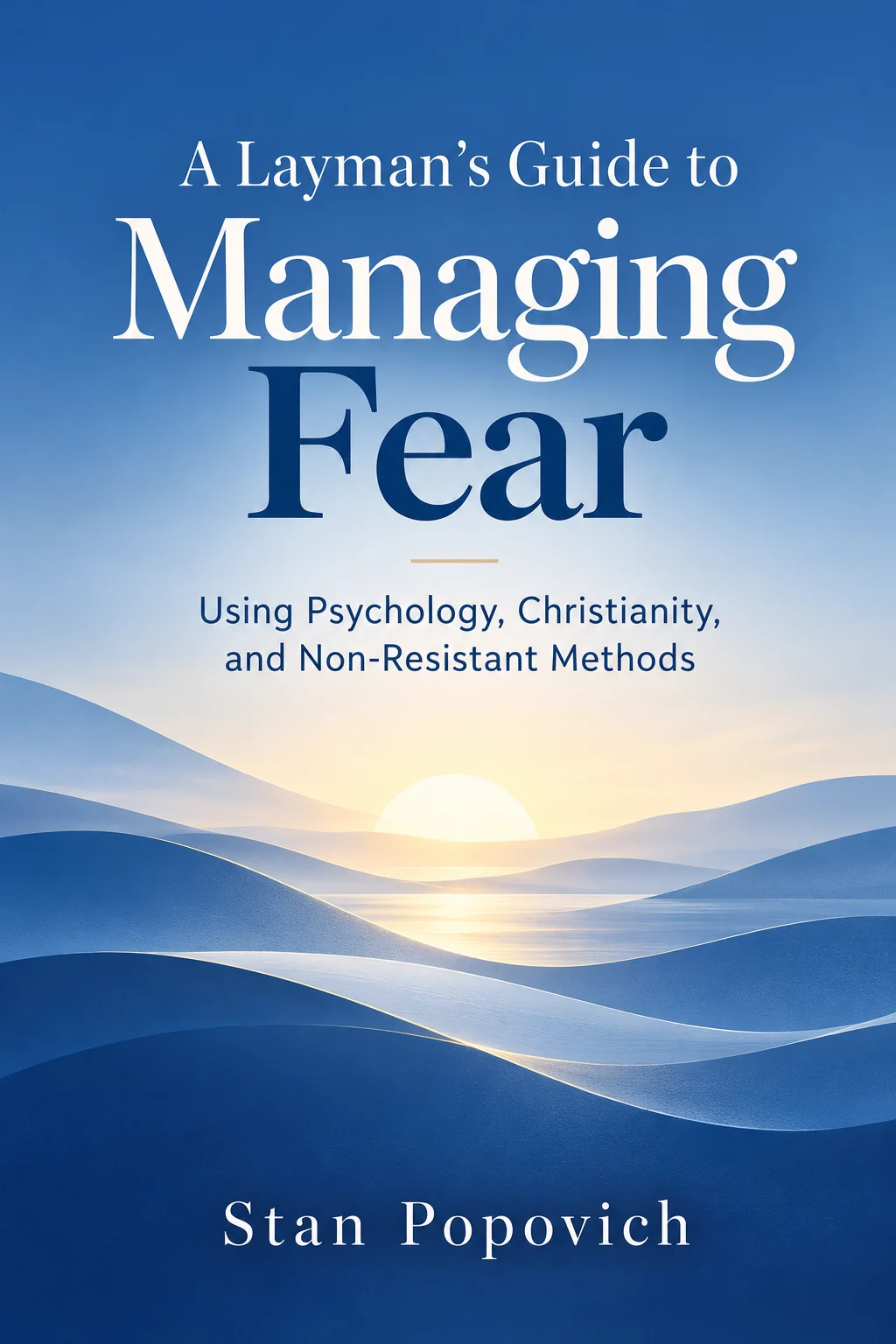
A Layman’s Guide to Managing Fear has 200+ practical strategies for fear, worry and anxiety.
Get the book · $9.99Examples of Managing Fear in Real-Life Situations
A Friend Dismisses Your Anxiety
You tell a friend about your anxiety, but they respond by saying you worry too much or should simply relax. Remember that they may not fully understand what you are experiencing. Calmly explain that your anxiety feels real and that you would appreciate being heard without judgment. If the conversation is unhelpful, consider talking with someone more supportive or seeking guidance from a mental health professional. You can also share reliable information about anxiety with your friend if they are willing to learn more and better understand your experience.
A Family Member Doesn't Understand Your Mental Health
A family member may care about you but struggle to understand your anxiety or other mental health concerns. They might offer unhelpful advice or suggest you stop worrying. Explain what you are experiencing at your own pace and let them know what support you need. You do not have to share every personal detail if you feel uncomfortable. Give your family member time to understand. If they continue dismissing your concerns, focus on relationships with people who listen and respect your needs. A qualified counselor can also help you navigate difficult family conversations.
Someone at Work Doesn't Understand Your Anxiety
You may experience anxiety at work while a coworker or supervisor struggles to understand your concerns. Rather than arguing or explaining everything, decide what information you feel comfortable sharing. Communicate your needs clearly and focus on practical ways to manage stress. For example, take a brief break, organize your tasks, or talk with someone you trust outside work. If anxiety significantly affects your work, consider speaking with a qualified mental health professional. Remember, you do not need everyone at work to understand your anxiety to take steps to manage it and care for yourself.
My Personal Experience
I have lived with fear and anxiety for more than 20 years, and I have learned that it can be difficult when others do not understand what I am experiencing. In my experience, trying to convince everyone to understand my anxiety is not always helpful.
For example, my friend Keith, who was dealing with addiction, believed attending AA could also help me manage my fear and anxiety. Although I appreciated his concern, I felt cognitive therapy was a better approach for my situation. Keith became upset when I explained my decision, but I chose to follow the approach I felt was right for me.
This experience taught me that people have different perspectives and that one approach does not work for everyone. Rather than arguing, I decided to focus my energy on managing my own anxiety.
If you or someone you know is in crisis in the U.S., call or text 988 to reach the 988 Suicide & Crisis Lifeline, available 24/7. This article is educational and is not a substitute for professional care.
Stan is the author of A Layman’s Guide to Managing Fear and the creator of the Managing Fear Framework. He has lived with anxiety for more than 20 years and has been featured on 30+ TV and radio programs.
More about Stan →