What to Do When Losing Your Job: Manage Stress and Move Forward
Managing job loss anxiety requires budgeting, networking, and updating skills.


How Can You Cope With Job Loss and Move Forward?
Coping with job loss starts by managing your emotions, focusing on what you can control, and taking practical steps toward your next opportunity. Building new skills, managing finances, seeking support, and creating a job search plan can help you regain confidence and move forward during a difficult transition.
How Can You Manage Fear and Anxiety About Losing Your Job?
Before taking action, it’s important to recognize and acknowledge your feelings. Anxiety—persistent worry that affects your thoughts, decisions, and overall well-being—is normal in times of uncertainty.
With some practice, you can manage these worries, stay grounded, and approach each next step with clarity and control.
The Consumer Financial Protection Bureau (CFPB) recommends taking practical steps after a job loss, such as reviewing your income and expenses, managing bills, checking available benefits, and considering your health insurance and other financial needs. These steps can help you better understand your financial situation and plan for the transition.
1. Assess your fear: The first step is to assess whether your concern is legitimate. Ask yourself whether there is any evidence to suggest you may lose your job. For instance, your manager might avoid you or your major responsibilities at work may decrease. If you find no legitimate reasons, try to relax and contribute to your organization as best you can.
2. Embrace flexibility:Recognize that change is a natural part of your professional life, and the ability to adapt enhances resilience in the face of uncertainties. If something does happen, look at it as an opportunity to improve your current situation.
3. Take control of your career:Don’t rely solely on your current employer. Build valuable skills and gain experience that make you attractive to other companies in your field. Make it a habit to update your skills regularly so you’re prepared for any changes in your job situation.
4. Control your finances:Create a budget to track your expenses and save regularly. Pay down debts to reduce interest and free up money for savings. Consider consulting a financial counselor for guidance on managing your money and planning for the future.
5. Learn effective job search strategies: It is important to have a great resume and know how to network to help find another job. Career counseling services can provide guidance and support in navigating job loss fears. They can help you identify transferable skills, explore alternative career paths, learn how to deal with difficult clients, and develop strategies to enhance your employability.
6. Tap development opportunities:Many companies offer professional development programs for their employees. Take advantage of these opportunities to enhance your skills and stay relevant in your field. Consider attending workshops, webinars, and pursuing additional certifications.
7. Manage your worries: It’s natural to worry about losing your job, but dwelling on “what ifs” can make stress worse. Focus on what you can control, appreciate the positive aspects of your life, and take things one day at a time. Avoid predicting the future—concentrate on small, practical steps you can take today.
8. Seek professional support:A mental health professional can help you manage anxiety or depression and wellbeing during job loss. They may also guide you to government programs or resources that can support your finances while you transition to a new job.
How Can You Handle a Demotion or Changes at Work?
Experiencing a sudden demotion or a reduction in responsibilities can trigger fear and anxiety about your career and self-worth. Even if you’ve performed well, unexpected changes in your role can leave you feeling uncertain about your value and future opportunities.
Stay grounded by clarifying your new responsibilities and expectations with your manager. Break larger tasks into achievable goals to maintain confidence and demonstrate continued competence. Seek professional development—such as training, certifications, or mentorship—to strengthen your skills and position yourself for future growth.
By focusing on what you can control, communicating proactively, and investing in your development, you can reduce stress, regain momentum, and turn a challenging situation into an opportunity to grow professionally.
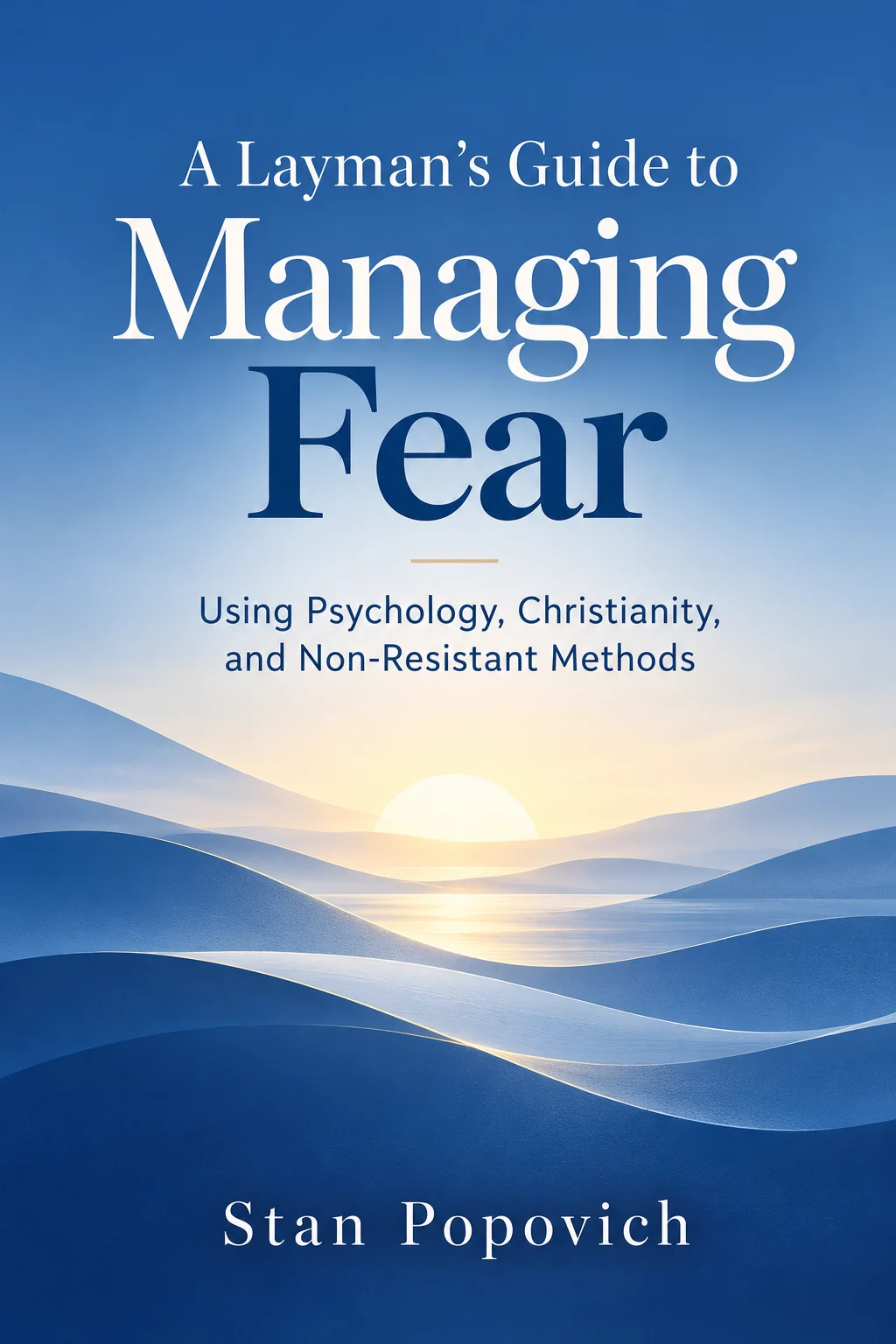
A Layman’s Guide to Managing Fear has 200+ practical strategies for fear, worry and anxiety.
Get the book · $9.99What Steps Can You Take to Find a New Job?
Finding a new job can feel overwhelming, but having a plan can make the process easier. These strategies can help you improve your skills, strengthen your résumé, and discover job opportunities that match your interests.
1. Identify your interests:Find what you like to do, and find a job that will match your current skill sets and work interests. You’re better off finding a job that you enjoy doing and where you can get some relevant job experience that can be used down the road.
2. Update your skills:Learning a new skill could be the key to finding another job if you lose your current one. It’s important to get into the habit of improving your skills on a regular basis. If you do not have enough job experience, do some volunteer work. A few hours a week can give you some relevant job experience which you can put down on your resume.
3. Have a good resume: A good resume is well-organized, easy to read, highlights your most relevant skills and experiences, and tailored to the specific job you’re applying for. It should be clear, concise, and demonstrate how you can add value to the organization.
Choose a resume format that is easy to read and scan, such as a chronological or functional format. Start your bullet points with action verbs to describe your accomplishments and include keywords for the job description. Make sure your resume is free of errors in grammar and spelling.
4. Apply to small companies:Many large companies get tons of job applicants when a position opens. This reduces your chances of getting a job because you will lose out to someone who has more experience. The trick is to apply to companies that have less than a hundred employees, which will give you a better chance of getting the job you want.
5. Visit company websites: If you know which employer you want to work for, you can go directly to the career section of its website. If you routinely search for openings on its site, you could find an opportunity that matches your skill set. Create a list of employers that you’d like to work for and visit their websites often.
6. Contact department managers:Find the manager in charge of the department you would like to work in and try contacting them. Focus your efforts on contacting the managers who have the power to hire you rather than relying on Human Resources.
7. Network strategically:Many of the best jobs are never advertised in what’s essentially a hidden job market. These jobs are filled by candidates who learn by word of mouth from friends, former colleagues, and doing some research.
By networking, you can improve your chances of finding an unadvertised job. Consider joining professional associations, attending alumni events, and connecting with professionals who work in your field. Take every chance you get to meet up, in person or online, with others in your field.
8. Expand your horizons: If you can’t find a job in a particular field, then find something that might be similar. The more companies you can find that use your skill sets, the better the chances you will find a job. Expand your horizons when it comes to finding places that use your job skills.
How Can You Reduce Anxiety During a Possible Layoff?
Rumors of downsizing can create tension and spark anxiety, but it’s essential to separate facts from speculation. Evaluate whether there are real signs of risk or if your worry is driven by office gossip.
Take one deliberate step to strengthen your career and reduce anxiety—update your skills, pursue certifications, or build a portfolio. Reflect daily on your actions to see whether they increase your sense of control. Evidence-based steps transform fear into preparation, building both resilience and confidence in uncertain times.
My Personal Experience
I have lived with fear and anxiety for more than 20 years, and I have learned that uncertainty about the future can make change difficult. Preparing ahead of time helps me feel more confident.
For example, I tried to keep my resume updated and maintain useful skills. After graduating from Penn State, I took additional computer and business classes to build on my education and keep my skills current. These steps helped me prepare for new opportunities and possible career changes.
I learned that improving my skills and staying marketable helped me manage career uncertainty. Although I could not predict the future, I could take practical steps to prepare for it.
If you or someone you know is in crisis in the U.S., call or text 988 to reach the 988 Suicide & Crisis Lifeline, available 24/7. This article is educational and is not a substitute for professional care.
Stan is the author of A Layman’s Guide to Managing Fear and the creator of the Managing Fear Framework. He has lived with anxiety for more than 20 years and has been featured on 30+ TV and radio programs.
More about Stan →