How to Deal With a Bad Boss: Managing Workplace Stress
Overcome a difficult boss by prioritizing your mental health.


How Can You Deal With a Difficult Boss?
You can deal with a bad boss by staying professional, communicating clearly, managing your stress, documenting important interactions, and focusing on what you can control. While you may not be able to change your boss’s behavior, you can protect your mental health, strengthen your work relationships, and make thoughtful career decisions if the situation doesn’t improve.
The Occupational Safety and Health Administration (OSHA) notes that workplace stress can negatively affect workers’ mental health, well-being, communication, job performance, and daily functioning.
What Are the Signs of a Difficult Boss?
Look for behaviors like ignoring your workload or well-being, acting unpredictably, taking credit for your work, failing to support you, micromanaging, showing favoritism, or neglecting workplace conflicts.
How Can You Handle a Difficult Boss?
Even in challenging situations, it’s possible to protect yourself and maintain your professionalism. Consider these strategies:
1. Understand their perspective: Try to see things from your boss’s point of view. Their behavior may be shaped by past experiences, pressures, or career goals. Understanding this can help you anticipate actions and respond more effectively.
2. Don’t take it personally: Your boss’s difficult behavior usually reflects the situation, not you. Focus on managing your emotions and stress to protect your well-being.
3. Communicate clearly: Use respectful, concise communication. Know your boss’s preferred style, set expectations, and be willing to compromise when needed.
4. Document interactions: Keep records of projects, decisions, and communications. Send recap emails after key discussions to ensure clarity and protect yourself if issues arise.
5. Choose words carefully: Be honest but tactful. Focus on solutions and results, not personality conflicts. This keeps interactions professional and minimizes tension.
6. Maintain professionalism: Don’t let frustration affect your performance. Continue producing high-quality work and avoid actions that could harm your reputation.
7. Go the extra mile: Look for ways to contribute beyond your basic responsibilities. Helping your boss save time or resources demonstrates initiative and can improve the relationship over time.
8. Build small personal connections:Show genuine interest in your boss as a person. Asking about their interests or weekend plans can improve communication and foster a more positive dynamic.
9. Take responsibility where appropriate: You can’t change your boss’s behavior, but you can control your own. Reflect on areas where you can adjust to reduce friction.
10. Prevent problems proactively: Meet deadlines, clarify expectations, and address concerns early. These steps prevent misunderstandings and minimize conflicts.
11. Be patient and observant:Avoid jumping to conclusions. Your boss may be facing challenges you’re unaware of. They could be dealing with health problems or other personal issues. Observe patterns, give the situation time, and respond thoughtfully rather than reacting impulsively. reviews—can trigger stress.
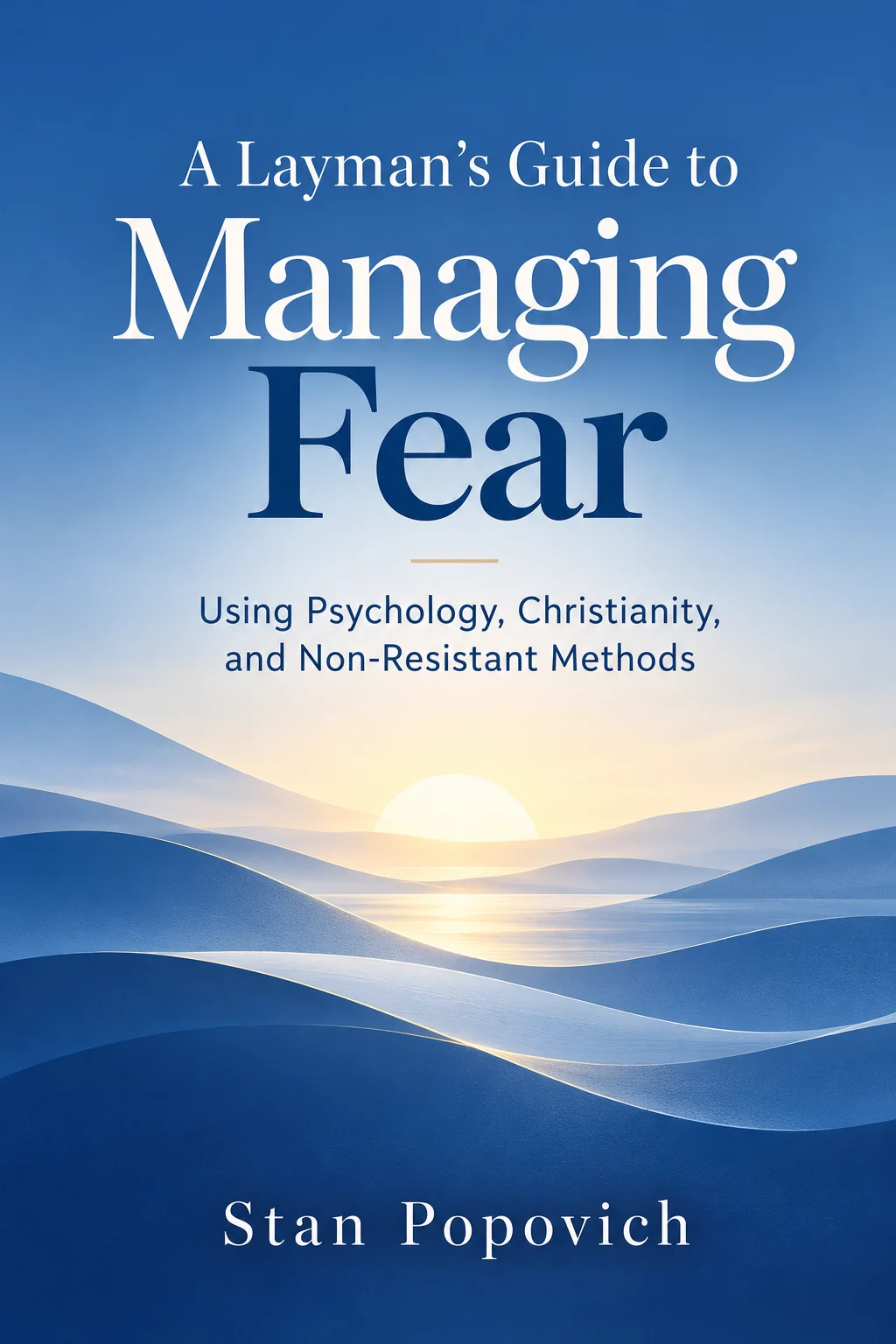
A Layman’s Guide to Managing Fear has 200+ practical strategies for fear, worry and anxiety.
Get the book · $9.99How Can You Handle a Difficult Performance Review?
Receiving a tough performance review or critical feedback can feel stressful, even for experienced professionals. It’s normal to notice anxiety, self-doubt, or frustration in these moments.
You can respond intentionally: pause to process your emotions, assess feedback objectively, focus on actionable improvements, and avoid taking criticism personally. Start with small steps—clarify expectations with your manager, identify one area for improvement, and create a plan to address it.
Over time, these deliberate actions help you manage work-related stress, build confidence, and turn criticism into a tool for growth—rather than a source of fear.
When Should You Leave a Job Because of a Bad Boss?
Working for a difficult boss can affect your well-being and job satisfaction, but leaving requires careful planning. These strategies can help you explore your options, prepare for a new job, and decide when it may be time to move on.
1. Seek advice: You can talk to a career counselor and your friends for advice on what you can do. He or she can give you different ways to handle the situation. Do not be quick to make any decisions that could cause financial problems for you down the road.
2. Consider transferring: If the problem does not get better, ask for a transfer. People change departments all the time for various reasons. To request a transfer, research your company’s internal transfer policy and application process. Prepare a professional and positive request, highlighting your skills and value to the new department.
3. Prepare for a job search: Some people may not have the option to transfer to another department. In these cases, beef up your résumé, contact headhunters, line up references, and start interviewing. You will want to conduct your job search in private, and do not tell your coworkers what your plans are.
4. Explain yourself in interviews: Focus on your career goals by emphasizing your desire for a more positive and fulfilling work environment. Be professional and avoid bad-mouthing your boss or company. Highlight your skills and experience by focusing on what you can offer to the new employer. Make sure you follow up on your interviews.
5. Leave professionally: Give proper notice by adhering to your company’s resignation policy. Inform your boss and HR about your decision to leave in a professional and respectful manner. Avoid burning any bridges by maintaining a positive and professional attitude throughout your departure, even if you’re unhappy with your boss.
How Can You Handle Unrealistic Deadlines at Work?
When a major task comes with an impossible deadline, your heart may race: “I can’t handle this.” Remember that workplace pressure often reflects business demands—not your personal worth.
Ground yourself with steady breaths before responding. Take one small step: ask which task should be prioritized or whether timelines can be adjusted. Reflect afterward: calm, direct communication reduces uncertainty and builds confidence over time.
My Personal Experience
I have lived with fear and anxiety for more than 20 years, and I have learned that work and other stressful situations can cause fear, frustration, and uncertainty. In my experience, staying calm helps me think clearly and decide how to respond.
For example, there have been times when I felt overwhelmed before giving a presentation at work. I sometimes focused too much on what could go wrong, which made me more anxious about the outcome.
I learned to slow down, take a step back, and focus on what I needed to do next rather than thinking about everything at once. These experiences taught me that breaking a stressful situation into smaller steps helped me stay focused and respond more calmly.
If you or someone you know is in crisis in the U.S., call or text 988 to reach the 988 Suicide & Crisis Lifeline, available 24/7. This article is educational and is not a substitute for professional care.
Stan is the author of A Layman’s Guide to Managing Fear and the creator of the Managing Fear Framework. He has lived with anxiety for more than 20 years and has been featured on 30+ TV and radio programs.
More about Stan →