How to Overcome Fear of Public Speaking: Practical Tips
Manage public speaking fear using proven preparation methods.


How Can You Overcome Fear of Public Speaking?
Fear of public speaking can be reduced by preparing thoroughly, practicing regularly, managing anxious thoughts, and using calming techniques during presentations. Taking small, deliberate steps helps build confidence and makes speaking in front of others feel more manageable over time.
The American Psychological Association (APA) recommends practicing a presentation, becoming familiar with the speaking environment, focusing on the purpose of the talk, and making eye contact with different people in the audience as ways to help manage public speaking anxiety.
What Are the Common Symptoms of Public Speaking Anxiety?
Anxiety can show up in many ways: shaking or trembling hands, flushed skin, rapid heartbeat, shortness of breath, upset stomach, dizziness, sweating, dry mouth, or a shaky voice. Recognizing these signs is the first step toward managing your fear and building confidence.
How Can You Prepare for Public Speaking?
Public speaking can make you nervous, but preparation can help you feel more confident and ready. These strategies can help you organize your speech, practice effectively, and manage anxiety before presenting.
1. Choose a topic that excites you: Pick a subject you’re genuinely interested in. Your enthusiasm will make researching and preparing easier—and your audience will feel your energy and stay engaged.
2. Familiarize yourself with the venue: Visit the conference room, classroom, or banquet hall where you will be giving your speech. Being comfortable with where you are speaking will make it easier when giving your speech.
3. Practice early and often: The closer you can come to recreating the speaking experience, the more effective you will be. Stand up when rehearsing and speak aloud. You can practice with an audience after you’ve done a few run-throughs on your own.
4. Visualize success: It’s normal to feel anxious before a presentation. Imagine yourself delivering the speech successfully—seeing it in your mind helps you feel prepared and calm when it’s time to present. You can also think of your favorite vacation to make you feel better.
How Can You Manage Anxiety While Speaking?
Speaking in front of others can cause anxiety, but simple techniques can help you feel calmer and more confident. These strategies can help you manage nervous thoughts, control your pace, and focus on your message.
1. Arrive early: Arrive at least half an hour early, so you aren’t rushed, and so you have time to check your equipment and get your notes laid out. That gives you time to breathe and relax before going on, knowing everything is as ready as it can be.
2. Bring a notebook of positive statements: A technique that is helpful is to have a small notebook of positive statements that make you feel good. Before you give your presentation, open your small notebook and read those statements. This will help calm you down.
3. Be yourself: Let your personality come through and share stories your audience can relate to. Focus on what feels natural—trying to copy someone else can make you feel awkward. Being authentic builds trust and helps calm your nerves.
4. Deep breathing: Take your time to breathe and reduce anxiety. Breathe in through your nose, pause for a few seconds, and breathe out gently through your mouth. Repeat this process to help reduce tension.
5. Manage negative thoughts:Sometimes, you may encounter some scary thoughts before your presentation. Instead of getting upset, remember that these thoughts are exaggerated and not based on reality. Get into the habit of ignoring these negative thoughts and focus on something else.
6. Release stress physically:Subtly squeeze your toes or gently pinch your thumb and forefinger on your non-speaking hand. Keep breathing deeply as you do this—these small movements help release excess energy and calm your nerves during your presentation.
7. Focus on friendly faces:During your presentation, focus on one person as opposed to the entire audience. Find some friendly faces in the group that you can look at to relieve your anxieties. Do not forget to smile to establish friendliness with your audience.
8. Maintain a steady pace:Speaking too fast can make it hard for your audience to follow, while speaking too slowly may cause boredom. Pace yourself deliberately. If you notice yourself rushing, pause briefly between points—adding small pauses in your notes can help you stay calm and keep your audience engaged.
9. Remember your purpose:Think about why you’re there and focus on your purpose. Doing so might get you out of your head and into the situation at hand so you can concentrate less on your anxiety and more on accomplishing your task.
10. Speak from the heart: The more passionate you are regarding your topic, the better your speech will be regardless of the number of people in the audience. Speak from your heart and you will find that your speaking anxieties will disappear as you give your presentation.
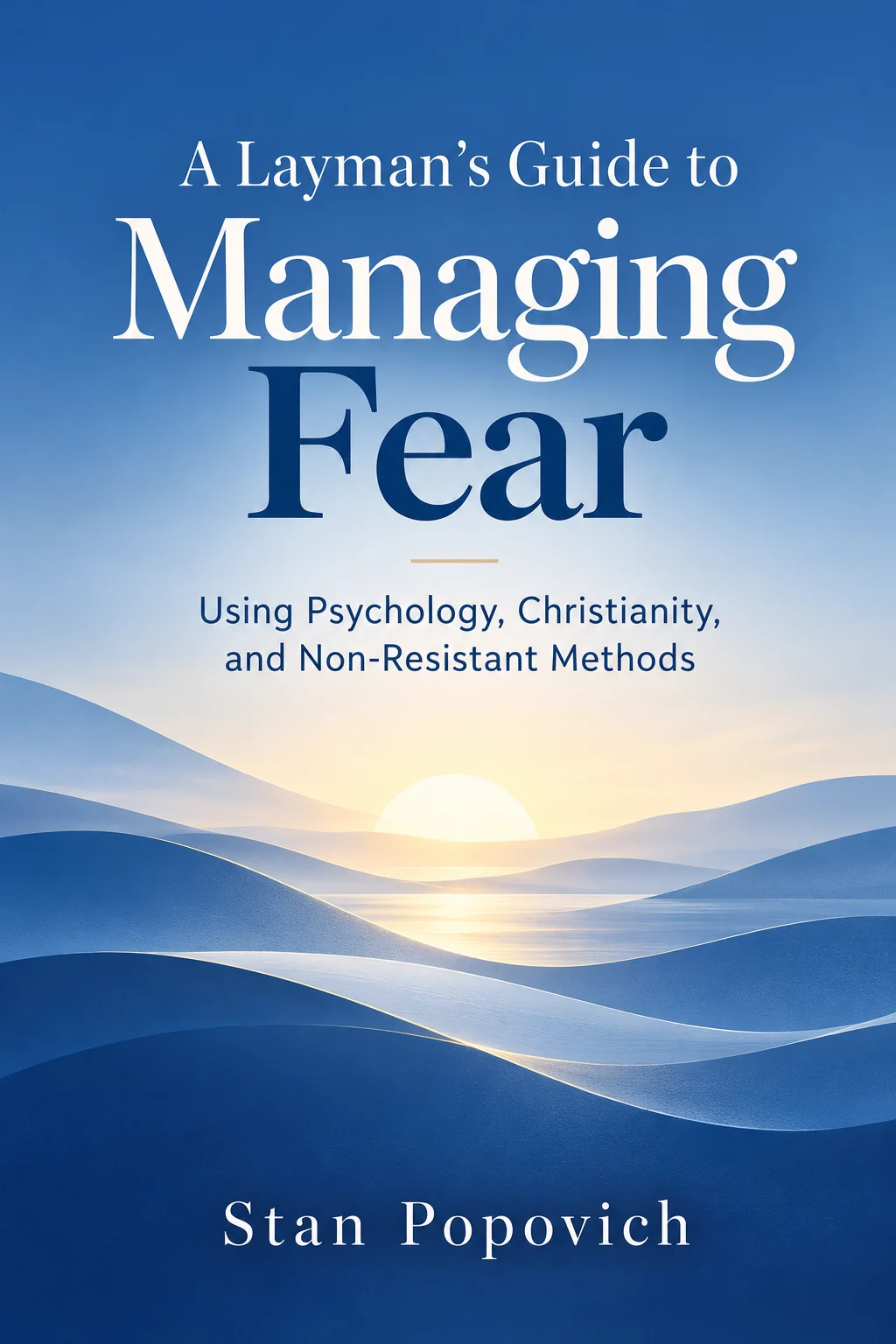
A Layman’s Guide to Managing Fear has 200+ practical strategies for fear, worry and anxiety.
Get the book · $9.99How Can You Improve Your Public Speaking Skills?
Improving your public speaking skills takes practice, feedback, and patience. These strategies can help you build confidence, learn from experience, and become a more effective speaker.
1. Seek feedback: Get better at public speaking by asking your audience for feedback. Depending on the setting, this can be done formally or informally. Identify the areas you know you can improve and make small changes in each speech.
2. Reflect on experience:When you give a speech, try to learn what you did wrong so that you can improve the next time. Learning from your experiences is a great way to improve your speaking anxieties in the long run.
3. See structured learning:Your local community college or a local business group can provide classes where you can improve your public speaking. Overcoming your fear of public speaking will take some work, but you will get the hang of it.
4. Seek professional support:Talk to others about how you can improve your public speaking. A mental health counselor can help you manage your fears and anxieties when giving a presentation. Finding ways to manage your anxieties will help you in other social situations such as when you go out on a date.
5. Embrace imperfection:Perfection is an unrealistic expectation that distracts from your good work and amplifies your anxiety. Instead of aiming for perfection, celebrate your improvements and seek out continuous learning opportunities. Every chance to speak in front of others is a chance to learn and grow.
How Can You Manage Anxiety When Leading a Class or Workshop?
Teaching a group can feel intimidating, especially if you fear mistakes or losing attention. Notice your anxiety and ground yourself with slow, steady breaths. Take one small step: visualize success and focus on a few friendly participants. Reflect afterward on small wins—smiles, clear speaking, or feeling calmer. Over time, these steps build confidence and mastery.
What Are Some Quick Strategies for Public Speaking Anxiety?
Small, deliberate actions can help you stay calm and confident during public speaking. Introducing yourself to a new audience? Take a deep breath, smile, and focus on one friendly face. Answering unexpected questions? Pause and respond one point at a time. Presenting technical or complex information? Break it into simple, digestible pieces. Delivering a speech on sensitive topics? Speak from the heart and focus on connection with your audience.
Moderating a panel discussion? Keep notes handy, breathe slowly, and guide the conversation step by step. Giving an impromptu speech? Stick to your key message and accept that perfection isn’t required. Handling negative feedback? Listen objectively, separate content from self-worth, and respond calmly. These micro strategies help you manage fear, stay present, and speak with poise.
My Personal Experience
I have lived with fear and anxiety for more than 20 years, and I have learned that public speaking can be challenging when I worry about others’ reactions. In my experience, preparation helps me feel more confident.
For example, I had to give a speech during the Dale Carnegie courses I took to improve my public speaking skills. Before the presentation, I worried about making mistakes and what the other students might think. Instead of focusing on their opinions, I practiced my speech. As I became more familiar with the material, I felt more confident and less anxious.
I learned that focusing on preparation and what I could control was more helpful than worrying about how others might react.
If you or someone you know is in crisis in the U.S., call or text 988 to reach the 988 Suicide & Crisis Lifeline, available 24/7. This article is educational and is not a substitute for professional care.
Stan is the author of A Layman’s Guide to Managing Fear and the creator of the Managing Fear Framework. He has lived with anxiety for more than 20 years and has been featured on 30+ TV and radio programs.
More about Stan →