How to Manage Everyday Stress and Anxiety (10 Practical Tips)
You can manage everyday stress and anxiety by recognizing triggers and practicing healthy coping habits.


How Can You Manage Stress and Anxiety?
You can manage stress and anxiety by recognizing your triggers, changing unhelpful thought patterns, practicing healthy coping strategies, and taking small actions that restore a sense of control. Helpful approaches include relaxation techniques, time management, physical activity, journaling, social support, and seeking professional help when needed.
What Is Stress?
Stress is mental or emotional tension triggered by challenges in work, relationships, or daily life. According to the National Institute of Mental Health (NIMH), stress is the physical or mental response to an external cause. It’s a natural response that can affect both your mind and body. Stress may contribute to irritability, fatigue, headaches, tension, or trouble sleeping.
Mentally, stress can make concentration or decision-making harder. Physically, it can cause muscle tension or digestive issues. Recognizing these signs early is the first step to managing stress effectively.
Practical Ways to Manage Stress
The following ten practical strategies can help you manage everyday stress, improve your well-being, and handle life’s challenges more effectively.
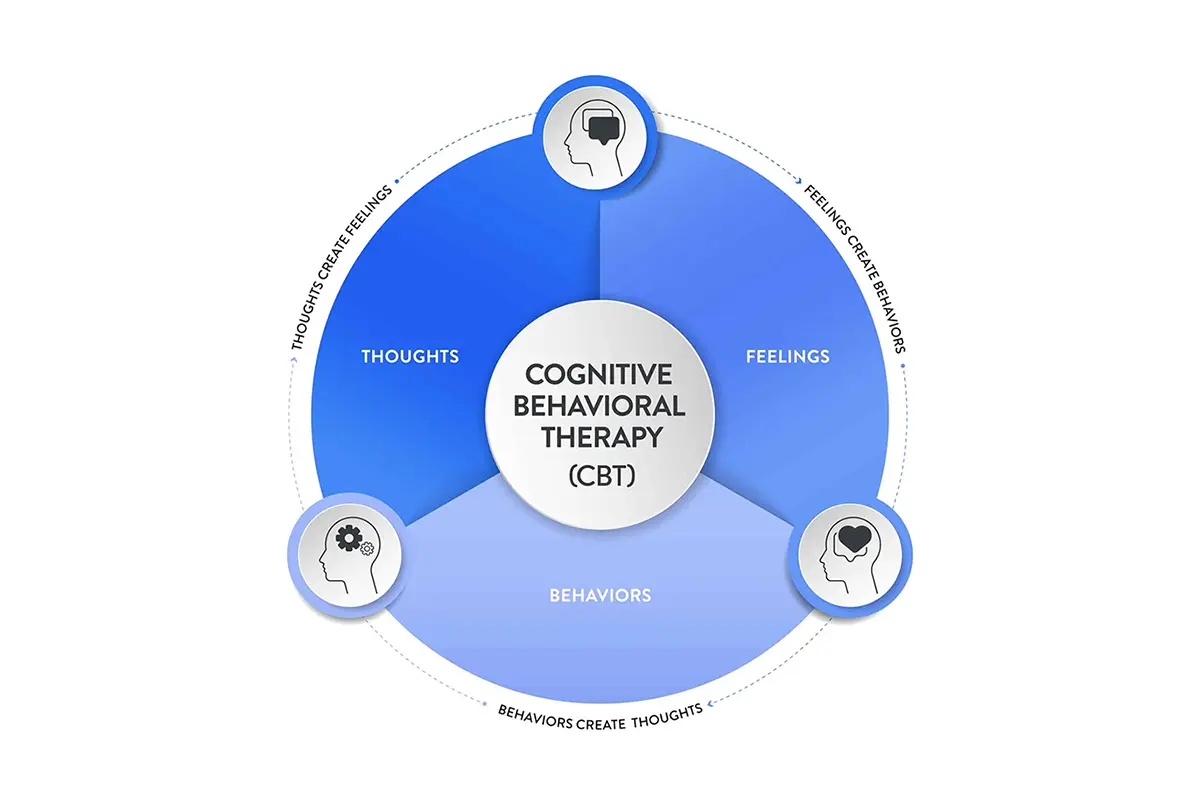
1. Reframe negative thoughts:Learn to talk back at your negative self-talk and give yourself some credit for your abilities and accomplishments. Learn from your mistakes and view them as opportunities for growth and improvement.
2. Take time to unwind:Take deep breaths, stretch, or meditate to remove your stress. Try to do some relaxing activities you enjoy. Remind yourself of specific things you are grateful for and write them down. Writing down your thoughts can be a good release for pent-up feelings.
3. Be mindful of social media:Social media can help keep in touch with people, but it can also cause frustration and procrastination. Make it a habit to limit your time on social media. Engage in positive interactions, while also taking breaks and being aware of how social media impacts your well-being.
4. Practice time management:Identify important tasks, focus on them first, and break down large tasks into smaller, manageable steps. Learn how to delegate tasks when you become overwhelmed with different activities.
5. Be assertive:It’s important to set boundaries and limit activities that cause you stress. Assert your feelings and opinions instead of becoming angry, defensive, or passive. Keep a positive attitude each day.
6. Journal daily:Take time each day to write down your thoughts, feelings, and goals. Reflecting on your experiences can help you process emotions, gain perspective on challenges, and reduce stress over time.
7. Support physical health:Exercise on a regular basis. Eat a healthy diet by limiting processed foods, sugar, and caffeine. Make sure you get enough sleep each night. Do not rely on drugs and alcohol to get through the day.
8. Connect with others:A good support network of colleagues, friends, and family can help you see things in a different way. The activities we do with friends can help us relax and relieve stress. Talking things through with a friend may also help you find solutions to your problems.
9. Engage in stress-reducing activities:Spend some time outdoors. Listening to music and doing activities you enjoy can help reduce your stress. Spend time with your friends and loved ones. Social connection can provide support and reduce stress and depression in your life.
10. Seek professional help:Seek treatment with a counselor or other mental health professional trained in stress management to learn healthy ways of dealing with stress in your life. There is nothing wrong in asking for help when it comes to improving your mental health.
Examples of Managing Fear in Real-Life Situations
A Layman’s Guide to Managing Fear has 200+ practical strategies for fear, worry and anxiety.
Get the book · $9.99Stress From a Hectic Workday
A busy workday can create stress when a person has too many tasks to complete and feels unable to keep up. For example, they may have several deadlines, meetings, and unexpected responsibilities competing for their attention. Instead of trying to handle everything at once, they can identify the most important tasks and break larger responsibilities into smaller steps. Taking a short break, practicing slow breathing, and talking with a colleague may also help reduce stress. Focusing on one task at a time can make the situation feel more manageable.
Stress From a Major Deadline
A major deadline can cause stress when a person worries about finishing everything on time. They may become overwhelmed by the amount of work and have difficulty concentrating. One approach is to divide the project into smaller tasks and create a realistic schedule. The person can focus on completing one step at a time rather than constantly thinking about the entire deadline. Taking brief breaks, getting enough sleep, and asking for help when needed can also make it easier to manage the pressure.
Stress From Relationship or Family Responsibilities
Family and relationship responsibilities can become stressful when a person feels responsible for solving too many problems at once. For example, they may be balancing work, household responsibilities, and the needs of family members while having little time for themselves. Setting reasonable boundaries and communicating openly can help reduce some of this pressure. The person can also make time for relaxing activities, stay connected with supportive people, and focus on the responsibilities they can realistically manage. Seeking professional support may be helpful when stress becomes difficult to handle.
My Personal Experience
I have lived with fear and anxiety for more than 20 years, and I have learned that stress can feel overwhelming when too many things need my attention at once. In my experience, breaking tasks into smaller steps can make it easier to focus and move forward.
For example, I once needed to go to the bank, pharmacy, and grocery store and felt overwhelmed by everything I had to do. Instead of worrying about all three errands, I focused on one task at a time. I went to the bank first, then the pharmacy, and then the grocery store.
As I completed each errand, I found it easier to concentrate on what I needed to do next. This experience taught me that, for me, taking one step at a time helps make stressful situations feel more manageable.
If you or someone you know is in crisis in the U.S., call or text 988 to reach the 988 Suicide & Crisis Lifeline, available 24/7. This article is educational and is not a substitute for professional care.
Stan is the author of A Layman’s Guide to Managing Fear and the creator of the Managing Fear Framework. He has lived with anxiety for more than 20 years and has been featured on 30+ TV and radio programs.
More about Stan →