How to Manage Depression: 9 Practical Coping Strategies
These techniques help reduce anxiety and improve daily mood.


Need Help With a Mental Health or Substance Use Crisis? If you or someone you know is experiencing a mental health or substance use crisis, call or text 988 to reach the 988 Suicide & Crisis Lifeline. For information about substance use treatment and referrals, call SAMHSA’s National Helpline at 1-800-662-HELP (4357).
How Can You Cope With Depression?
You can manage depression by using healthy strategies that support your mood, daily functioning, and overall well-being. Helpful approaches include challenging negative thoughts, staying physically active, maintaining healthy routines, connecting with others, taking small manageable steps, and seeking professional support when needed.
What Is Depression?
Depression is a common mental health disorder that can cause persistent sadness, low energy, loss of interest in activities, changes in sleep or appetite, difficulty concentrating, and feelings of guilt or worthlessness. It affects daily life, work, and relationships. Warning signs include mood swings, anxiety, social withdrawal, substance use to cope, and loneliness. If symptoms last more than two weeks, seek help from a doctor, counselor, or mental health professional.
According to the National Institute of Mental Health (NIMH), depression can cause symptoms such as persistent sadness, loss of interest, low energy, difficulty concentrating, and changes in sleep or appetite, and symptoms can interfere with daily activities.
Practical Ways to Cope With Depression
Depression can make everyday activities more difficult and affect your thoughts, feelings, and motivation. The following practical strategies can help you manage difficult emotions, develop healthier habits, and find ways to cope with life’s challenges.
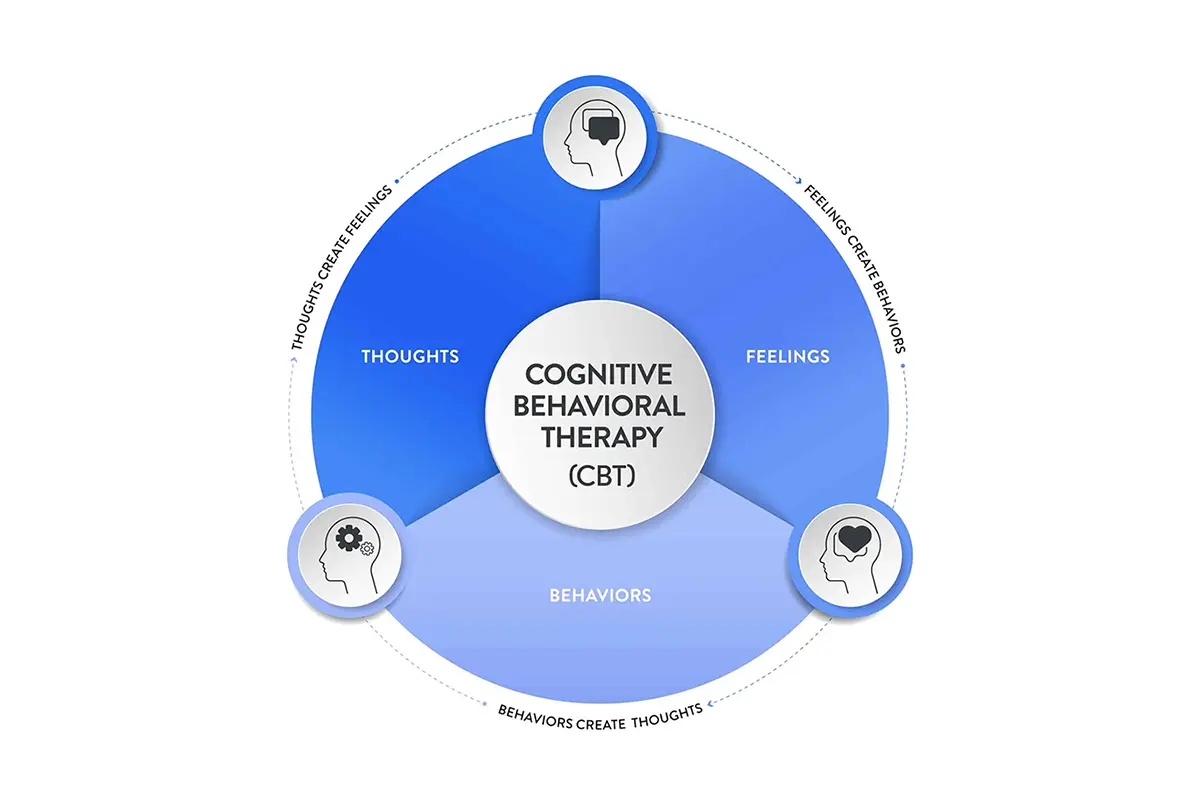
1. Challenge negative thoughts:One of the ways to overcome your depression is to challenge your negative thinking with positive statements and realistic thinking. When encountering thoughts that make you fearful, challenge those thoughts by asking yourself questions that will maintain objectivity and common sense. Your fearful thoughts are not based on reality.
2. Take a break:Some people get depressed and have a difficult time getting through the day. When this happens, a person should take a deep breath and try to find something to do to get their mind off the problem. A person could take a walk, listen to some music, read the newspaper, or do an activity that will give them a fresh perspective on things.
3. Keep moving:Exercise can significantly help combat depression by boosting mood, reducing stress and anxiety, improving sleep, and enhancing self-esteem. Exercise triggers the release of endorphins, which are natural mood-boosting chemicals that can promote a sense of well-being.
4. Carry a small notebook of positive statements:A technique that is helpful is to have a small notebook of positive statements that makes you feel good. Whenever you find an affirmation that uplifts you, write it down in a small notebook that you can carry with you in your pocket. Whenever you feel depressed, open your small notebook and read those statements.
5. Watch your diet:Aim for a balanced diet with plenty of fruit and vegetables and reduce your intake of food that can affect your mood. This includes caffeine, alcohol, and processed food with high levels of chemical preservatives.
6. Do not overgeneralize:Recognize the good that is around you. Write down what was meaningful about your day. You can track what you achieved that day, and which activities were enjoyable. This will help you to stop focusing on your current problems and give you a better perspective on things and the future.
7. Reduce procrastination:Procrastination can be a symptom of depression, where individuals have trouble completing tasks due to feelings of hopelessness, fatigue, and lack of motivation. Do things a little at a time rather than avoid tasks altogether. This can promote a sense of accomplishment.
8. Don’t dwell on your problems:It’s OK to air your thoughts and feelings with people who care about you but do not focus on your problems all the time. Turn your negative thoughts into more positive ones when you become depressed.
9. Seek professional help:Talk to a professional who can help you manage your fears and anxieties. They will be able to provide you with additional advice and insights into how to deal with your current problem. This is important if your symptoms are affecting your daily activities. Getting support helps you and your loved ones.
Examples of Managing Fear in Real-Life Situations
A Layman’s Guide to Managing Fear has 200+ practical strategies for fear, worry and anxiety.
Get the book · $9.99Feeling Depressed After a Major Setback
A major setback, such as losing a job, ending a relationship, or experiencing disappointment, can leave someone feeling depressed and discouraged. They may believe nothing will improve or that one setback means complete failure. Instead of accepting these thoughts as facts, try to look at the situation more realistically. Taking a walk, talking with someone you trust, or writing down what went well can help provide perspective. Rather than solving everything at once, focus on one small step you can take today. If feelings of depression persist or interfere with daily life, consider seeking support from a mental health professional.
Struggling to Get Through an Ordinary Day
Depression can make ordinary daily activities feel overwhelming. Getting out of bed, completing household tasks, going to work, or responding to messages may require extra effort. When this happens, try breaking your day into smaller, manageable tasks. Instead of focusing on everything you need to do, choose one task and complete it before moving on to the next. Taking a short walk, listening to music, or getting fresh air can provide a change of pace. Maintaining a simple routine and staying connected with supportive friends or family can also help reduce isolation. If depression persists or interferes with daily life, consider seeking professional support.
Becoming Isolated Because of Depression
Someone experiencing depression may withdraw from friends, family, or activities they once enjoyed. They might avoid phone calls, decline invitations, or spend more time alone due to low energy or motivation. Although isolation may feel easier, staying connected with supportive people can reduce loneliness and provide encouragement. Start small by sending a text, making a short phone call, or spending time with someone you trust. You do not need to explain everything at once.
My Personal Experience
I have lived with fear and anxiety for more than 20 years, and I have learned that negative thoughts can make difficult situations feel overwhelming. In my experience, changing my perspective can sometimes make a difficult day more manageable.
For example, there was a time when I felt depressed because nothing seemed to be going right in my life. I realized I was focusing mainly on the negative aspects of my situation, so I tried to appreciate the positive things I still had. I also reminded myself that things could have been worse.
Although this did not change my circumstances, it helped me see them differently. I learned that shifting my perspective helped me focus less on what was going wrong and more on what I could appreciate.
If you or someone you know is in crisis in the U.S., call or text 988 to reach the 988 Suicide & Crisis Lifeline, available 24/7. This article is educational and is not a substitute for professional care.
Stan is the author of A Layman’s Guide to Managing Fear and the creator of the Managing Fear Framework. He has lived with anxiety for more than 20 years and has been featured on 30+ TV and radio programs.
More about Stan →