How to Be a Good Worker: Habits for Workplace Success
A good worker excels through adaptability, teamwork, and communication.


What Makes Someone a Good Worker?
A good worker combines reliability, a positive attitude, strong communication, teamwork, and a willingness to learn. Effective employees take responsibility, adapt to change, solve problems, support coworkers, and consistently look for ways to improve their performance.
What Makes Someone a Good Worker?
Excelling at work goes beyond simply showing up on time. Successful professionals are reliable, adaptable, communicative, and proactive problem-solvers. They contribute to a positive, collaborative environment, support their team and the organization, and continue to grow in their skills and capabilities.
The American Psychological Association (APA) notes that healthy and productive workplaces benefit from employee involvement, opportunities for growth and development, recognition, and effective two-way communication. APA also notes that communication, motivated employees, and commitment to organizational goals are important components of successful workplaces.
How Can You Become a Better Employee?
Performing well in your role helps ensure job security and contributes to a productive, supportive work environment. Here are actionable steps to strengthen your impact at work:
1. Follow company guidelines:Start by reviewing your employee handbook. Policies exist to keep everyone safe and informed. Following them demonstrates professionalism, responsibility, and respect for your team.
2. Maintain a positive attitude:A constructive mindset improves how you approach tasks and uplifts colleagues. This aligns with other anxiety tips by helping you stay grounded and shift focus from fear-driven thoughts.
3. Dress for success: Present yourself professionally. Neat attire and personal grooming make a positive impression and signal that you take your role seriously.
4. Understand company goals: Learn what your organization is striving to achieve. Pay attention during meetings and consider how you can contribute to these objectives.
5. Focus on solutions:Address challenges by identifying actionable steps. Shifting your attention to solutions reduces fear-driven stress and promotes clarity.
6. Build strong relationships:Connect meaningfully with coworkers and supervisors. Be open to learning, take responsibility for mistakes, and offer support. Collaboration fosters trust and makes you a reliable, respected team member.
7. Communicate effectively:Listen actively and respond thoughtfully. Share your ideas clearly, take initiative to resolve issues, and be someone your colleagues and managers can rely on.
8. Be trustworthy:Demonstrate integrity through honesty and accountability. Seek continuous improvement, take feedback seriously, and stay open-minded when presented with new ideas.
9. Stay motivated: Focus on the present and maintain determination, even during challenging periods. This means grounding yourself in the moment to manage anxiety and maintain productivity.
10. Be a team player: Support colleagues who may be struggling. Helping others grow and succeed demonstrates leadership and adds value to the organization.
11. Get to know coworkers:Build positive, meaningful relationships beyond day-to-day tasks. Understanding your team strengthens collaboration and morale.
12. Give credit to others:Celebrate achievements openly. Recognizing others’ successes builds trust and encourages a supportive workplace culture.
13. Adapt to changes:Flexibility is highly valued. When policies or routines change, adjust proactively, ask questions when necessary, and maintain a positive attitude with your coworkers and business clients.
14. Participate in company events:Engaging in social and team-building activities fosters stronger connections and a sense of belonging within the organization.
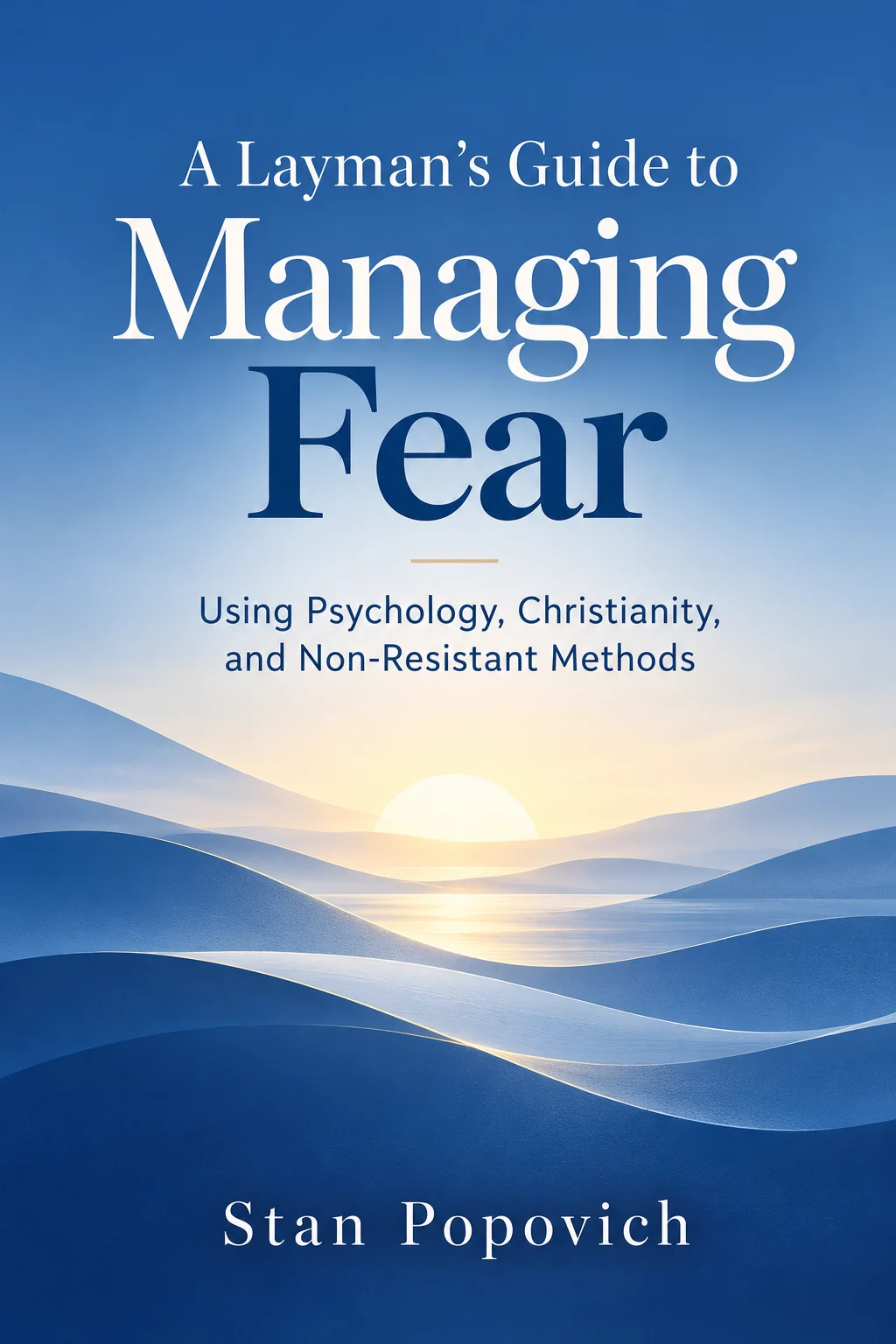
A Layman’s Guide to Managing Fear has 200+ practical strategies for fear, worry and anxiety.
Get the book · $9.99How Can You Build Confidence When Facing Workplace Challenges?
Starting a new role, pursuing a promotion, or learning new skills can trigger fear and self-doubt. Instead of reacting to these feelings, pause and acknowledge them without judgment. Fear is a natural response to change, but it doesn’t define your ability to succeed. Taking a moment to ground yourself helps you respond thoughtfully and approach new challenges with greater clarity.
Next, focus on small, achievable steps. Break larger responsibilities into manageable tasks and concentrate on completing one step at a time. Each small success builds confidence and reinforces your ability to handle bigger challenges. Tracking progress with simple checklists or milestones can help you stay motivated and focused.
Over time, reflecting on your progress strengthens self-confidence and reduces fear of failure. Celebrate small wins, learn from setbacks, and adjust your approach when needed. By consistently taking deliberate steps forward, you can boost confidence, overcome fear of failure, and succeed in new challenges or roles.
What Are the Benefits of Being a Good Worker?
Being a good worker can help you grow professionally and find greater satisfaction in your job. It can also lead to career advancement, stronger workplace relationships, and new opportunities.
1. Career advancement:High-performing team members are often considered for promotions and new responsibilities due to their reliability and strong results.
2. Recognition: Consistently performing as a reliable team member often leads to public recognition and positive feedback from managers and colleagues, boosting morale and job satisfaction.
3. Improved work-life balance:High-performing professionals who manage time effectively can achieve a better balance between work and their personal life.
4. Positive team dynamics: A professional contributes positively to team collaboration, fostering a more productive and supportive work environment.
5. Job security:Consistent high performance makes someone less likely to be affected during layoffs.
6. Personal satisfaction:Achieving goals and exceeding expectations in your role can lead to a sense of accomplishment and pride in your work.
7. Potential for higher pay:Good staff members may be eligible for salary increases or bonuses due to their valuable contributions.
How Can You Handle Criticism at Work?
Receiving criticism can trigger fear, depression, or self-doubt. Notice your emotions—fear, frustration, embarrassment—but remember: feedback reflects your work, not your worth.
Take one small, deliberate step: request a specific example to improve, then act. Reflect on your response and focus on solutions. Handling feedback calmly demonstrates accountability, builds your professional reputation, and helps your mental wellbeing.
My Personal Experience
I have lived with fear and anxiety for more than 20 years, and I have learned that work responsibilities can be challenging. Focusing on what I can control helps me feel more confident.
For example, my manager once told me I had done a good job handling a challenging computer project. Although the project was difficult at times, I stayed focused on my responsibilities and worked through each problem. I felt good about overcoming the challenges and completing the project.
I learned that taking responsibility and focusing on practical solutions helped me handle challenges more effectively. Staying focused on what I could do, rather than worrying about every difficulty, helped me succeed at work.
If you or someone you know is in crisis in the U.S., call or text 988 to reach the 988 Suicide & Crisis Lifeline, available 24/7. This article is educational and is not a substitute for professional care.
Stan is the author of A Layman’s Guide to Managing Fear and the creator of the Managing Fear Framework. He has lived with anxiety for more than 20 years and has been featured on 30+ TV and radio programs.
More about Stan →