What to Expect From Drug and Alcohol Rehab: The Recovery Process
Expect counseling, structured routines, and coping skill development in drug and alcohol rehab.


Need Help With a Mental Health or Substance Use Crisis? If you or someone you know is experiencing a mental health or substance use crisis, call or text 988 to reach the 988 Suicide & Crisis Lifeline. For information about substance use treatment and referrals, call SAMHSA’s National Helpline at 1-800-662-HELP (4357).
What Should You Expect From Drug and Alcohol Rehab?
According to the Substance Abuse and Mental Health Services Administration (SAMHSA), treatment for drug and alcohol problems can involve working with health care professionals to develop a treatment plan, participating in treatment, and connecting with recovery support services. The specific type of treatment and level of care can vary depending on a person’s individual needs.
What Is Drug and Alcohol Rehab?
Drug and alcohol rehab provides structured treatment to help people address substance use, develop healthier coping skills, and build a foundation for long-term recovery. During rehab, you can expect counseling, education, daily routines, support from treatment professionals, and planning for life after treatment. Recovery takes time, commitment, and ongoing support beyond rehab.
How Can You Prepare for Drug and Alcohol Rehab?
Tell loved ones that you’re entering a treatment program—where you’ll be and for how long—and, if you have children, provide age-appropriate information and explain who will care for them.
Enter rehab with an open mind. Let go of assumptions and focus on your own experience. Remember why you chose treatment—seeing it firsthand helps you fully engage in your recovery.
What Should You Do During Rehab?
Focus your energy on recovery and avoid actions that could interfere with your progress. Your goal is to learn tools and strategies that help you manage substance use and build a healthier life.
1. Be friendly with others: Do not take your frustrations and fears out on the staff or on your fellow residents. A person going to rehab can be scared and frustrated, so it is important to find some other ways of dealing with these issues. Blaming bullies for your problems will interfere with your recovery. Be nice to others and in turn most people will treat you with respect.
2. Be open with staff: The best way that the treatment staff can help you during your stay is if you are open and honest with them. If you face some legal issues, family problems, personal concerns, etc., then let the staff at your treatment facility know. You should be open with the people you are working with so they can help you.
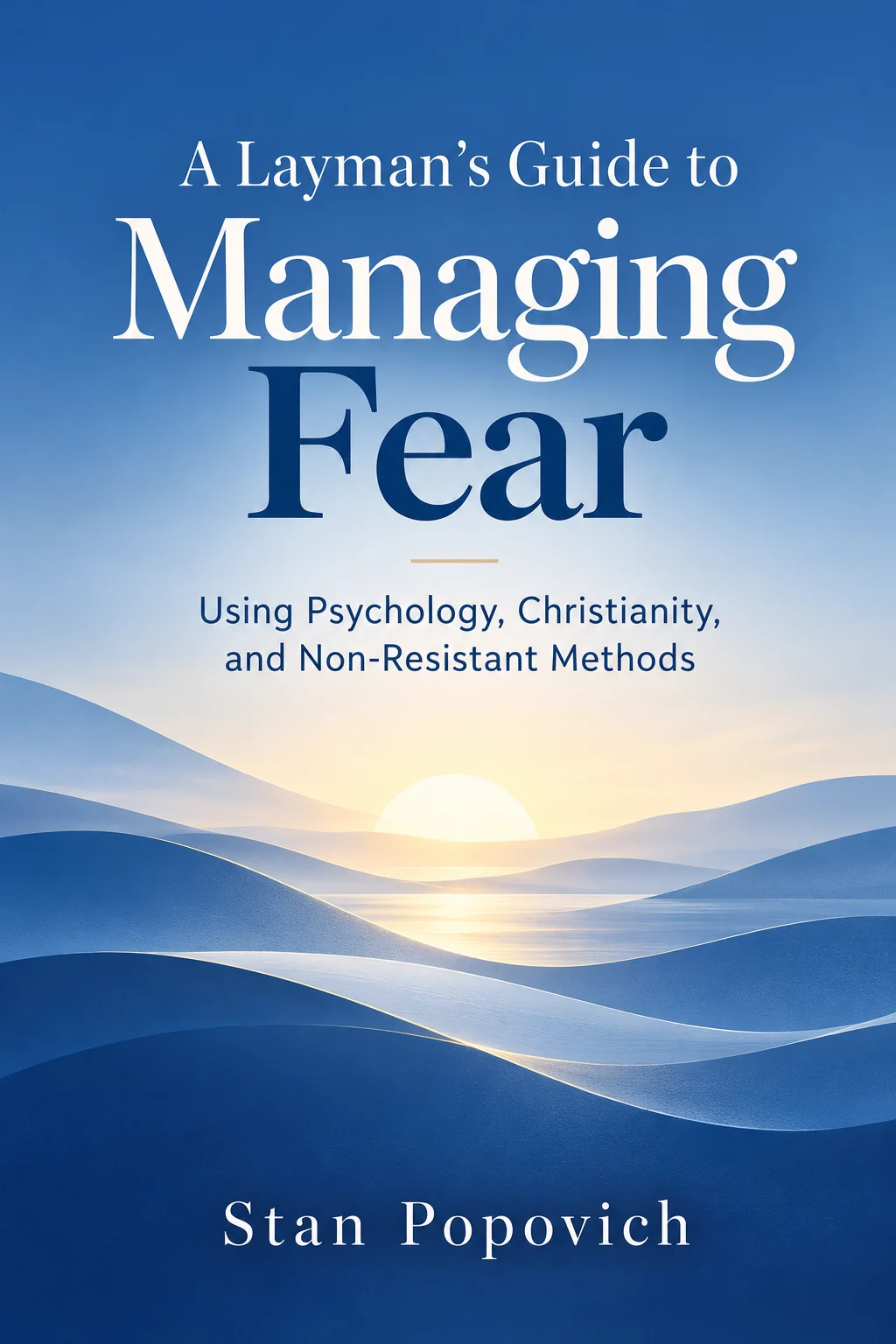
A Layman’s Guide to Managing Fear has 200+ practical strategies for fear, worry and anxiety.
Get the book · $9.99How Can You Get the Most Out of Rehab?
To get the most out of rehab, you must focus on yourself. You need to put your focus and attention on learning, healing, and growing as a person.
1. Listen to professionals: A person who goes to rehab should follow the advice from their counselors. The counselors that you are dealing with have dealt with others in your situation. These people are experts and following their advice will help speed up your recovery.
2. Attend programs and meetings: Many of the rehab facilities offer programs in the mornings, afternoons, and at night. Make sure you attend these programs. The purpose of these programs is to help educate you in finding the ways to overcome your addictions. If you sleep in or decide to skip the programs altogether, you could miss valuable information and delay the recovery process.
3. Ask questions: Going to rehab can be a new and stressful experience. Always ask questions about anything unfamiliar to make your stay more comfortable. The people at rehab are there to answer your questions. There is no such thing as a dumb question, so don’t be hesitant to get the answers to your questions related to your stay and rehab experiences.
4. Take notes: When talking to the professionals, it is impossible to remember the advice given to you. Most people forget what their counselors say after a few days. Talking to experts can provide valuable advice on managing your fears and anxieties. You don’t want to forget what they say, so take notes.
Why Shouldn’t You Rush Recovery?
Rushing through recovery can mean missing important lessons and tools, so take your time to learn and practice the skills you’ll need before returning to everyday life.
1. Ask for help: Some people may be hesitant to talk to the staff because they are embarrassed or don’t want to feel like a burden. It is important to remember that the staff are there to help you.
2. Don’t assume: Every rehab experience is different. Even if you’ve been in treatment before, don’t expect this stay to be the same. Approach it with an open mind and be ready for new experiences.
What Happens After Drug and Alcohol Rehab?
Rehab is just the first step—the real work comes afterward. Old stresses and triggers can resurface, so staying sober means using your skills, building routines, and leaning on support.
Before leaving, gather referrals for therapists, 12-step programs, and local support groups. Plan ahead: know where you’ll live, how you’ll spend free time, and who will help keep you accountable.
Regularly attend support meetings which can provide guidance, encouragement, and help you stay on track during challenging times. Recovery continues after rehab, and your actions determine long-term success.
How Can You Overcome the Fear of Going to Rehab?
Entering rehab can feel overwhelming—new routines, rules, and difficult people often trigger stress and racing thoughts. Simple advice like “just relax” doesn’t work. The key is to approach fear systematically rather than avoid it.
You can list your specific fears, rate their likelihood and potential impact, create small, manageable steps to face each one, and track daily progress. Over time, your brain learns that uncertainty isn’t dangerous. This approach builds confidence, engagement, and sets the foundation for long-term success in recovery.
My Personal Experience
I have lived with fear and anxiety for more than 20 years, and I have learned that difficult situations can teach me how to handle future challenges. Reflecting on what helped me through a difficult period can provide useful ideas for the future.
For example, when I struggled with fear and anxiety, I spent time reading and talking with counselors to better understand my experiences and learn different strategies. I listened to different perspectives and considered which approaches might work best for me.
I learned that talking with others and exploring different approaches gave me more information and options. This experience taught me the value of learning when facing unfamiliar situations, including when considering treatment or recovery options.
If you or someone you know is in crisis in the U.S., call or text 988 to reach the 988 Suicide & Crisis Lifeline, available 24/7. This article is educational and is not a substitute for professional care.
Stan is the author of A Layman’s Guide to Managing Fear and the creator of the Managing Fear Framework. He has lived with anxiety for more than 20 years and has been featured on 30+ TV and radio programs.
More about Stan →