Find Help for Mental Health and Addiction: Support and Resources
If you or someone you know is experiencing a mental health or substance-use crisis,call or text 988.

If you or someone you know is experiencing a mental health or substance-use crisis,call or text 988. The 988 Suicide & Crisis Lifeline provides free, confidential support 24/7 in the United States and its territories.
Where Can You Find Mental Health and Addiction Help?
Finding help for mental health or substance-use concerns can begin by talking with a qualified mental health professional, healthcare provider, trusted support organization, or crisis service. If you are not sure where to begin, several national and local resources can help you find crisis support, professional care, addiction treatment, and community-based assistance.
The Substance Abuse and Mental Health Services Administration (SAMHSA) provides resources for finding mental health and substance-use treatment, including FindTreatment.gov and its National Helpline. SAMHSA also provides information about crisis services such as the 988 Suicide & Crisis Lifeline.
You do not have to figure everything out at once. Start with the type of help that best matches your situation and take one manageable step at a time.
What Mental Health and Addiction Resources Are Available?
There are several types of resources available for people dealing with mental health concerns, substance-use problems, emotional distress, or other difficult situations. Depending on your needs, you may find help through crisis services, treatment locators, healthcare providers, Veterans services, college counseling centers, national organizations, or community programs.
988 Suicide & Crisis Lifeline
The 988 Suicide & Crisis Lifeline is available by phone, text, and online chat for people experiencing emotional distress, mental health concerns, substance-use concerns, or a crisis. The service is free and confidential and is available 24 hours a day, 7 days a week. You do not have to be suicidal to contact 988.
You can also contact 988 if you are concerned about a friend or loved one and need help determining what to do.
If you or someone else is in immediate danger, call 911 or go to the nearest emergency department.
How Can You Choose a Mental Health Provider?
When choosing a mental health provider, consider the provider’s qualifications, experience, areas of specialization, availability, and whether they accept your insurance or fit your budget.
It can also be helpful to ask about the types of treatment or support they provide and whether they offer in-person or telehealth appointments.
Most importantly, consider whether you feel comfortable communicating with the provider and whether the provider listens to your concerns. Finding the right provider can sometimes take time.
If the first provider you contact does not feel like a good fit, it is reasonable to look for another qualified professional who better meets your needs.
Where Can Veterans Find Mental Health Support?
Veterans, service members, and their loved ones can access specialized resources through the U.S. Department of Veterans Affairs.
The Veterans Crisis Line is available 24/7. You can reach it by calling 988 and pressing 1, texting 838255, or using online chat. Veterans do not have to be enrolled in VA health care to contact the Veterans Crisis Line.
The VA also provides mental health care, counseling, substance-use support, and other services for eligible Veterans. If you are unsure which VA resource is appropriate, contacting the VA can help you identify available services.
Where Can College Students Find Mental Health Support?
Students can start by contacting their college or university’s counseling center, student health center, or another campus health service.
These offices can explain available counseling, mental health, crisis, and referral services. They may also be able to connect students with community providers when services are not available on campus.
Students experiencing an immediate mental health crisis can also call or text 988 for free and confidential crisis support.
If you are a college student and are unsure where to begin, contacting your school’s counseling or health center can be a practical first step.
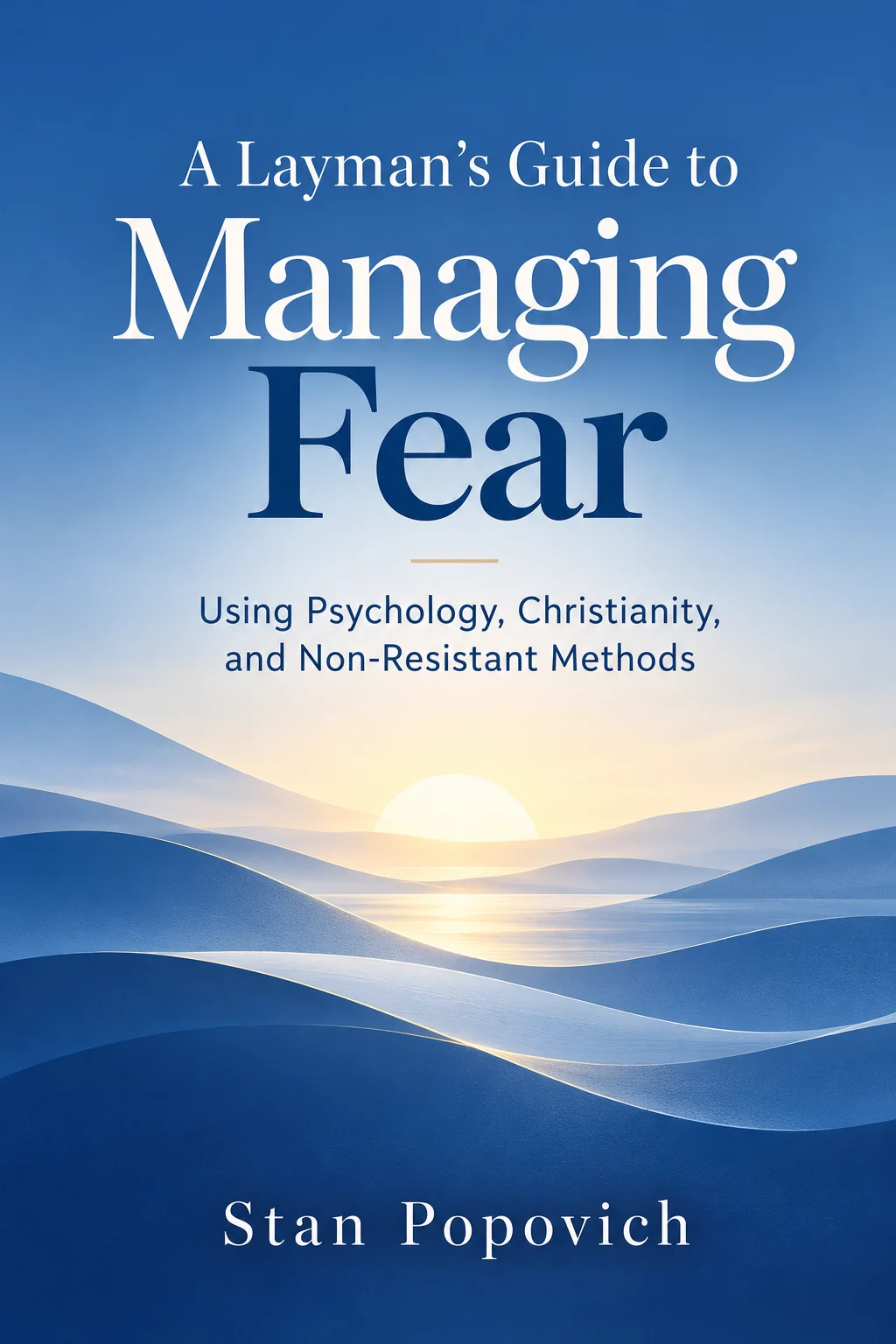
A Layman’s Guide to Managing Fear has 200+ practical strategies for fear, worry and anxiety.
Get the book · $9.99Where Can You Find Addiction and Substance-Use Services?
The Substance Abuse and Mental Health Services Administration (SAMHSA) provides information and treatment referrals for people experiencing mental health or substance-use disorders.
SAMHSA’s National Helpline is 1-800-662-HELP (4357). It is a free and confidential, 24/7 treatment referral and information service for individuals and families facing mental health or substance-use concerns. The service is available in English and Spanish.
You can also use FindTreatment.gov to search for mental health and substance-use treatment facilities in the United States and its territories. The service is designed to be confidential and anonymous.
Where Can You Find National Mental Health Organizations?
National organizations provide mental health information, education, support, and other resources.
The National Alliance on Mental Illness (NAMI) provides information, education, support, and resources for people affected by mental health conditions.
Mental Health America provides mental health information, educational resources, screening tools, and other resources.
These organizations can be useful starting points when you want to learn more about mental health or find additional support.
Where Can You Find Mental Health Nonprofits and Community Organizations?
Local nonprofit and community organizations may provide support groups, peer support, educational programs, referrals, and connections to mental health services.
You can look for organizations in your community through local health departments, community mental health centers, hospitals, schools, and national mental health organizations.
When looking for help, consider whether an organization clearly explains the services it provides, who those services are intended for, and how you can access them.
You can also ask a healthcare provider, counselor, or community organization about other resources available in your area.
What If You Don’t Know Where to Start?
You don’t have to find the perfect resource immediately. Consider taking one manageable step:
1. If you’re in crisis, contact 988.
2. If you need treatment, explore FindTreatment.gov.
3, If you’re a Veteran, contact the Veterans Crisis Line or VA.
4. If you’re a college student, contact your school’s counseling or health center.
5. If substance use is a concern, contact SAMHSA.
6. If you’re unsure what you need, talk with a healthcare professional or another trusted resource who can help you determine where to start.
What About Mental Health Support in Rural Areas?
People in rural communities may have fewer local providers or longer distances to available services. In these situations, consider looking for community health centers, telehealth options, local mental health organizations, or national treatment locators.
FindTreatment.gov allows people to search for mental health and substance-use treatment facilities by location.
Telehealth may also provide another option when traveling to an in-person provider is difficult. A healthcare professional or local organization may be able to explain what services are available in your area.
If you are experiencing a mental health or substance-use crisis, you can call or text 988 for free and confidential support 24/7.
My Personal Experience
I have lived with fear and anxiety for more than 20 years, and I have learned that finding the right help can take time and patience. In my experience, it is important not to become discouraged when the first option does not meet your needs.
For example, I once joined a local mental health support group and attended for about a month. Over time, I realized it was not providing the support I had hoped for. I thought about what I needed and decided to look for another group. After searching further, I found one that I felt was a better fit.
I learned that an unsuccessful first attempt did not mean I had to give up. Recognizing when something was not working and exploring other options helped me find support that better matched my needs.
If you or someone you know is in crisis in the U.S., call or text 988 to reach the 988 Suicide & Crisis Lifeline, available 24/7. This article is educational and is not a substitute for professional care.
Stan is the author of A Layman’s Guide to Managing Fear and the creator of the Managing Fear Framework. He has lived with anxiety for more than 20 years and has been featured on 30+ TV and radio programs.
More about Stan →