Types of Anxiety Disorders: Understanding the Different Types
The main types of anxiety disorders include GAD, panic, and social anxiety.


What Is Anxiety?
Anxiety is a feeling of nervousness, worry, or uneasiness that can affect both the mind and body. It often occurs when a person anticipates a stressful situation, faces uncertainty, or feels threatened by a possible problem. Anxiety can make it difficult to relax, concentrate, make decisions, or sleep. Physical symptoms may include a racing heart, rapid breathing, shakiness, sweating, and muscle tension. While occasional anxiety is a normal response to stress, persistent or overwhelming anxiety can interfere with daily activities, relationships, and overall well-being.
What Is an Anxiety Disorder?
An anxiety disorder is a mental health condition in which fear and worry become persistent, excessive, or difficult to control. Symptoms may include restlessness, difficulty concentrating, trouble sleeping, physical tension, and avoiding situations that cause anxiety. When these symptoms interfere with daily life, professional support can help people manage their anxiety and improve their well-being.
What Are the Different Types of Anxiety Disorders?
Anxiety can appear in different forms. Some conditions are classified as anxiety disorders, while other conditions, such as OCD and PTSD, can also involve significant anxiety and fear. Anxiety disorders can develop from a combination of genetic, environmental, and other factors.
The National Institute of Mental Health (NIMH) explains that anxiety disorders involve more than occasional fear or worry and can cause persistent or excessive anxiety that interferes with daily activities. NIMH identifies several types of anxiety disorders, including generalized anxiety disorder, social anxiety disorder, panic disorder, agoraphobia, specific phobias, and separation anxiety disorder. NIMH also notes that treatment can include psychotherapy, medication, or a combination of approaches.
Generalized Anxiety Disorder (GAD): Persistent and excessive worry about everyday situations that can be difficult to control. Ordinary tasks—such as paying bills, completing work assignments, or managing household responsibilities—may feel overwhelming. People with GAD may also experience restlessness, fatigue, difficulty concentrating, and sleep problems. GAD can also occur alongside depression or other anxiety disorders.
Social Anxiety Disorder (SAD): Intense fear or anxiety in social situations and concern about being judged, embarrassed, or disliked. Activities such as making a phone call, attending meetings, or participating in small gatherings can feel intimidating. Social anxiety can interfere with education, work, and personal relationships and may lead to avoidance or isolation.
Separation Anxiety Disorder: Excessive fear or distress when separated from a close attachment figure. Although it is often associated with children, adults can experience it as well, sometimes involving partners, family members, or other attachment figures. This fear can disrupt daily routines and affect school, work, and relationships.
Panic Disorder: Involves recurring panic attacks that cause sudden and intense fear or discomfort and can peak within minutes. Symptoms may include a racing heart, shortness of breath, chest pain, dizziness, or a sense of impending doom. Fear of having another panic attack may lead some people to avoid certain situations or activities.
Agoraphobia: Intense fear or anxiety about situations where escape might be difficult or help might not be available. Examples may include leaving home, being in crowded places, using public transportation, or being in enclosed spaces. Agoraphobia can lead to avoidance and make everyday activities more difficult.
Specific Phobias: Intense fears of particular objects or situations that are out of proportion to the actual threat. Examples include fears of spiders, heights, or flying. These fears can cause significant anxiety and may lead people to avoid the situations or objects they fear.
What Other Conditions Can Involve Anxiety?
Anxiety can occur alongside several mental health conditions that are not classified as anxiety disorders. Understanding conditions such as obsessive-compulsive disorder (OCD) and post-traumatic stress disorder (PTSD) can help you recognize their symptoms and understand when professional support may be needed.
Obsessive-Compulsive Disorder (OCD): Involves recurring, unwanted thoughts, urges, or mental images called obsessions and repetitive behaviors or mental acts called compulsions. Common examples may include concerns about contamination, harm, or losing control, along with behaviors such as repeated checking, cleaning, or counting. Compulsions may provide temporary relief but can contribute to an ongoing cycle of distress.
Post-Traumatic Stress Disorder (PTSD): Can develop after exposure to a traumatic event such as abuse, assault, an accident, combat, or a disaster. Symptoms may include unwanted memories or nightmares, avoidance, emotional changes, and increased alertness or feeling on edge. PTSD can interfere with work, relationships, and daily activities.
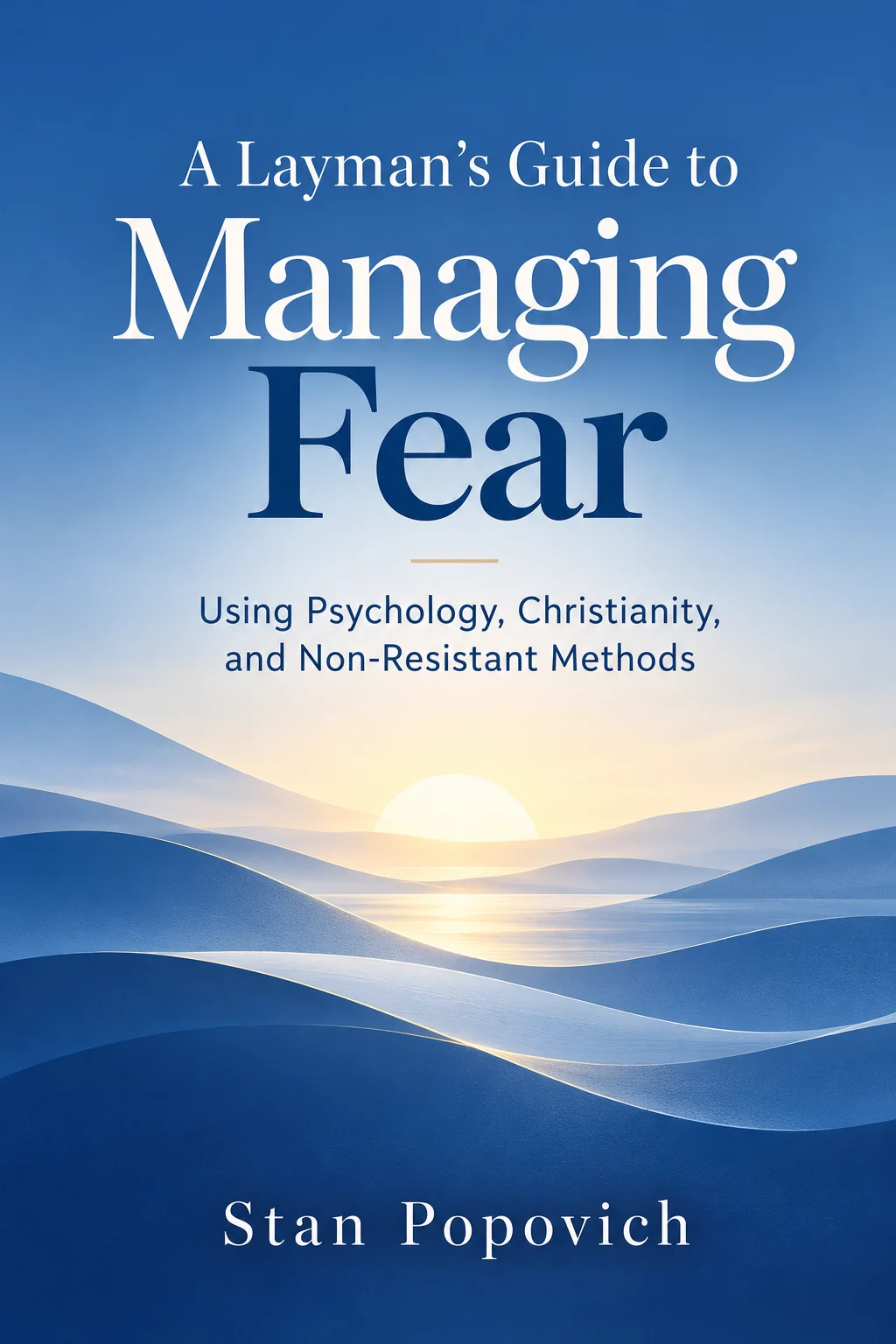
A Layman’s Guide to Managing Fear has 200+ practical strategies for fear, worry and anxiety.
Get the book · $9.99How Can You Manage Anxiety Disorders?
Managing anxiety can involve lifestyle changes, stress-management techniques, practical coping strategies, and professional support when appropriate.
1. Lifestyle changes: Regular physical activity, a balanced diet, adequate sleep, and reducing caffeine or alcohol may help support overall physical and emotional well-being.
2. Stress management techniques: Practice mindfulness and meditation to stay present, use deep breathing to help manage stress, and explore relaxation strategies such as prayer or spirituality. Spending time outdoors and maintaining supportive relationships with friends or family can also contribute to overall well-being.
3. Seek professional help: Consider talking with a qualified medical or mental health professional if anxiety interferes with your daily life. Support groups may also provide encouragement, shared experiences, and practical coping strategies.
What Can You Do When Anxiety Happens Suddenly?
When anxiety rises before a social event, work task, or leaving the house, pause and take a slow, deep breath. Focus on one small step—such as stepping outside, sending a brief message, or doing a grounding exercise. Notice five things around you and remind yourself that the feeling will pass. Handle one immediate action at a time instead of trying to fix everything at once.
When I first faced strong anxiety, I tried to push through everything at once. It only made me feel more overwhelmed. Focusing on small, manageable steps helped me regain calm—taking a short walk, practicing deep breathing, or reaching out to someone I trusted. Tackling anxiety piece by piece helped build my confidence and made challenging situations feel more manageable.
What Are Simple Strategies to Manage Anxiety?
When anxiety strikes, small, deliberate actions can help. Stay flexible when plans or responsibilities change by pausing, breathing, and focusing on the next step. Respond calmly to feedback by listening without judgment and identifying one small improvement you can make. Ground yourself in crowds by using slow breaths and paying attention to your surroundings. Manage time pressure by prioritizing what is essential and moving forward without excessive self-criticism if you are late.
Handle home emergencies step by step, focusing on safety first. Limit news or social media when they increase your anxiety and focus on what you can control. Ease transitions by starting with familiar routines and gradually building confidence in new settings.
My Personal Experience
I have lived with fear and anxiety for more than 20 years, and I have learned that anxiety affects people in different ways. Understanding what I am experiencing helps me respond more thoughtfully.
For example, I once wondered whether I was experiencing everyday stress or something I should discuss with a professional. Rather than figuring it out alone, I talked with a mental health professional. The conversation helped me better understand my concerns and the anxiety I was experiencing.
I learned that seeking professional guidance can help when I am unsure about my feelings or concerns. Talking with someone who understood these issues gave me a clearer perspective and helped me consider ways to manage my situation.
If you or someone you know is in crisis in the U.S., call or text 988 to reach the 988 Suicide & Crisis Lifeline, available 24/7. This article is educational and is not a substitute for professional care.
Stan is the author of A Layman’s Guide to Managing Fear and the creator of the Managing Fear Framework. He has lived with anxiety for more than 20 years and has been featured on 30+ TV and radio programs.
More about Stan →