Tips for Managing Social Anxiety: Practical Ways to Cope
Cope with social anxiety by gradually facing your triggers.


What Is the Best Way to Manage Social Anxiety?
Social anxiety can be managed by recognizing your triggers, challenging anxious thoughts, gradually facing social situations, using calming techniques, and seeking support when needed. Small, consistent steps can help reduce fear, build confidence, and make everyday interactions feel more manageable.
What Is Social Anxiety?
Social anxiety involves intense nervousness or fear in social situations, especially when you worry about being judged by others. Understanding the difference between everyday social anxiety and social anxiety disorder can help you recognize the symptoms and know when to seek support.
Everyday terms: Social anxiety is feeling extremely nervous, uncomfortable, or overwhelmed in social situations, such as meeting new people, speaking in groups, or worrying about being judged. Even when you recognize that your fears may be exaggerated, the anxiety can still feel very real.
Clinical perspective: Social anxiety disorder (SAD), also called social phobia, is a mental health condition involving intense and persistent fear of situations in which you may be evaluated or judged by others. It can interfere with daily activities, relationships, work, or school.
What Are the Symptoms of Social Anxiety Disorder?
Social anxiety can make everyday interactions feel overwhelming and may lead to avoidance. People with social anxiety may worry about routine activities such as starting conversations, meeting new people, speaking in front of others, or participating in group activities.
Common signs include avoiding social situations because of fear of embarrassment, hesitating to speak up or share opinions, worrying about being judged, and feeling anxious before or during social events. Physical symptoms can include a racing heart, sweating, shaking, or other signs of anxiety.
The American Psychological Association (APA) explains that social anxiety disorder involves significant fear or anxiety in social situations where a person may be judged or evaluated by others. These fears can lead to avoidance and may interfere with relationships, school, work, or other areas of daily life. APA also notes that treatments such as cognitive behavioral therapy and exposure-based approaches can help people manage social anxiety.
How Can You Manage Social Anxiety?
Social anxiety can make everyday interactions feel stressful, especially when you worry about being judged by others. These strategies can help you manage anxious thoughts, build confidence, and feel more comfortable in social situations.
1. Identify your triggers: Notice the situations that make you anxious, such as large gatherings, speaking in groups, meeting new people, or starting conversations. Recognizing your triggers can help you respond more deliberately instead of allowing fear to take over.
2. Start small: You do not have to handle every social situation at once. Gradually face situations that make you uncomfortable and take manageable steps forward. If this is difficult, a mental health professional can help you develop strategies based on your needs and goals.
3. Challenge anxious thoughts: Notice thoughts such as, “What if I say something embarrassing?” or “Everyone will judge me?” Ask yourself whether these thoughts are realistic. Challenging anxious assumptions can help you stay grounded and respond more calmly.
4. Treat sleep problems: Poor sleep can make it harder to manage stress and anxiety. Developing a relaxing sleep routine and limiting screen use before bedtime may help support better sleep and make it easier to cope with stressful situations.
5. Focus on others: Social anxiety can cause you to focus heavily on how you appear to other people. Instead, concentrate on the conversation and the person you are talking with. Ask questions, listen to their answers, and show genuine interest. Shifting your attention outward can make social interactions feel more natural.
6. Control your breathing: When anxiety causes rapid breathing or other physical symptoms, try taking slow, steady breaths. Pausing to breathe calmly can help you feel more grounded when you are in an anxiety-provoking situation.
7. Keep things in perspective: People often pay more attention to their own lives than to the mistakes of others. Remind yourself that everyone makes mistakes. Saying something awkward does not mean that everyone is judging you or that a social interaction has failed.
8. Practice mindfulness: Mindfulness involves noticing your thoughts, feelings, and physical sensations without becoming overwhelmed by them. Staying focused on the present moment and practicing self-compassion can help you navigate social situations with greater awareness.
9. Ground yourself: If anxiety becomes intense, pay attention to your immediate surroundings. Notice what you can see, hear, smell, taste, or touch. Focusing on your senses can help bring your attention back to the present moment.
10. Attend a support group: Talking with others who have similar experiences can reduce feelings of isolation and give you an opportunity to learn from different perspectives. Support groups may also help you develop additional coping strategies.
11. Avoid using alcohol to cope: Alcohol may temporarily make social situations feel easier, but it does not address the underlying fear. Relying on alcohol to feel comfortable socially can create an unhealthy pattern and may make anxiety more difficult to manage over time.
12. Build social skills: Practicing communication skills can make social interactions easier. You might practice starting conversations, asking questions, listening actively, or expressing your opinions. Improvement often comes from repeated practice rather than expecting yourself to be perfect.
13. Know when to seek help: If social anxiety feels overwhelming or interferes with your daily life, consider talking with a mental health professional. They can provide appropriate strategies and treatment options based on your individual situation. You do not have to manage severe social anxiety alone.
How Can You Make Small Talk When You Have Social Anxiety?
Small talk can feel difficult when you are worried about saying the wrong thing. Start with a simple goal rather than expecting yourself to have a long or perfect conversation.
For example, you could introduce yourself, ask a simple question, or comment on something happening around you. If you are at a class, club, or social event, you might ask someone how they know the host or what they think about the activity.
Focus on listening rather than planning what you will say next. Asking questions and showing genuine interest can take some of the pressure off you.
Remember that a brief conversation is still progress. Each small interaction gives you an opportunity to practice and become more comfortable.
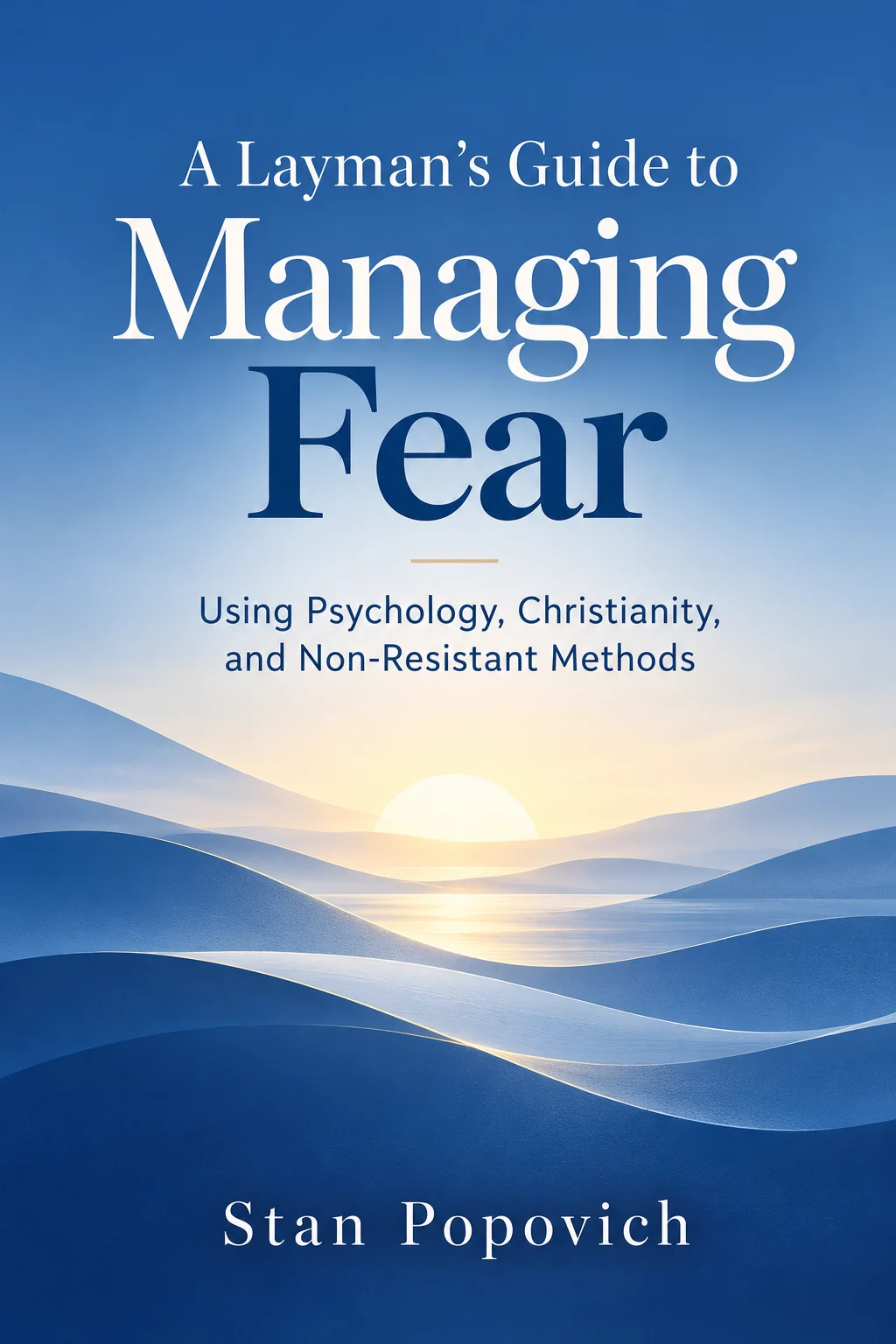
A Layman’s Guide to Managing Fear has 200+ practical strategies for fear, worry and anxiety.
Get the book · $9.99How Can You Meet New People When You Have Social Anxiety?
Meeting new people can feel intimidating. One way to make the process easier is to choose environments where you already have something in common with other people. Consider activities such as:
- Hobby and interest groups
- Classes and workshops
- Recreational sports
- Volunteering
- Community organizations
- Social or educational events
Shared interests can give you an easy starting point for conversation. Instead of trying to meet everyone, focus on talking with one person.
It can also help to spend time around friendly and supportive people. You do not have to become friends with everyone you meet. Give yourself time to learn about people and decide which relationships feel comfortable and healthy for you.
How Can You Attend Social Events Alone Without Feeling Overwhelmed?
Going to a social event alone can be challenging when you have social anxiety. Before entering the event, take a moment to recognize your anxiety rather than fighting against it.
Use a calming or grounding technique, such as taking slow breaths and paying attention to your surroundings.
Once you are inside, set a small goal. Instead of trying to talk to everyone, aim to introduce yourself to one person or have one short conversation.
If you need a break, it is okay to step outside or move to a quieter area for a few minutes. You do not have to remain in a stressful situation without giving yourself time to regroup.
Afterward, think about what went well. Even saying hello, asking a question, or having a brief conversation can be meaningful progress.
What Is the Difference Between Social Anxiety and Shyness?
Shyness is a personality trait that can involve feeling awkward, uncomfortable, or reserved around unfamiliar people. Shyness does not necessarily interfere with daily life, and a shy person may still participate in social activities and maintain relationships.
Social anxiety, by contrast, involves more persistent and intense fear of being judged or embarrassed. It may lead to significant avoidance and interfere with work, school, relationships, or everyday activities.
Understanding the difference can help you recognize when ordinary nervousness may have developed into a more significant problem.
How Can You Manage Anxiety When You Feel Judged?
Fear can become stronger when you expect other people to criticize or judge you. You may begin to worry about making mistakes, saying something wrong, or looking uncomfortable.
When this happens, try to focus on what you can control. Listen to the conversation, communicate as clearly as you can, and remind yourself that other people’s reactions do not determine your worth.
You can also remind yourself that making an occasional mistake is normal. The goal is not to eliminate every uncomfortable feeling but to learn that you can handle social situations even when some anxiety is present.
My Personal Experience
I have lived with fear and anxiety for more than 20 years, and I have learned that worrying about how others perceive me can increase anxiety. Shifting my attention toward others can help me feel more comfortable.
For example, I was once with a group of people I hardly knew, and I worried about saying something wrong and being laughed at. Instead of focusing on my fears, I listened carefully to the conversation. This gave me something else to focus on and helped me stay engaged.
I learned that focusing on the conversation rather than worrying about being judged helped me feel more at ease around others.
If you or someone you know is in crisis in the U.S., call or text 988 to reach the 988 Suicide & Crisis Lifeline, available 24/7. This article is educational and is not a substitute for professional care.
Stan is the author of A Layman’s Guide to Managing Fear and the creator of the Managing Fear Framework. He has lived with anxiety for more than 20 years and has been featured on 30+ TV and radio programs.
More about Stan →