Test Anxiety Strategies: Practical Tips to Stay Calm During Exams
Test anxiety is managed through early preparation, self-care, and mindfulness.


How Can You Reduce Test Anxiety Before an Exam?
You can reduce test anxiety by preparing early, developing healthy study habits, practicing relaxation techniques, maintaining a consistent routine, and using strategies to stay calm during the exam. Recognizing anxious thoughts and responding with practical steps can help you stay focused and approach the test with greater confidence.
What Is Test Anxiety and Why Does It Happen?
Feeling nervous before a test is normal, but test anxiety can involve racing thoughts, butterflies in your stomach, fear of failing, or difficulty concentrating. In more intense situations, anxiety may also cause physical symptoms such as a racing heart, shortness of breath, sweating, or stomach discomfort.
Can Learning Disabilities Increase Test Anxiety?
Learning disabilities such as ADHD or dyslexia can make certain testing situations more challenging and may contribute to test anxiety. Students who qualify for academic accommodations may be able to receive support such as additional time, a quieter testing environment, or alternative formats.
What Are the Signs of Test Anxiety?
Common signs of test anxiety can affect your thoughts, body, and emotions. You may experience racing thoughts, self-doubt, fear of failure, headaches, stomach discomfort, nausea, a racing heart, sweating, irritability, or difficulty concentrating.
Recognizing these signs can help you take steps to manage anxiety before it begins to interfere with your ability to study or take the exam.
The American Psychological Association (APA) explains that test anxiety involves tension and apprehension associated with taking a test and can sometimes interfere with test performance. APA also recommends helping students challenge unhelpful thoughts, make a plan for managing their worries, and use calming techniques such as deep breathing or journaling.
How Can Self-Care Help Reduce Test Anxiety?
- Exercise regularly to support overall well-being and focus.
- Practice deep breathing to help calm your body and mind.
- Use meditation or mindfulness to stay focused on the present moment.
- Stay connected with supportive people who can provide encouragement.
- Spend time outdoors and do enjoyable activities to give yourself a break from studying
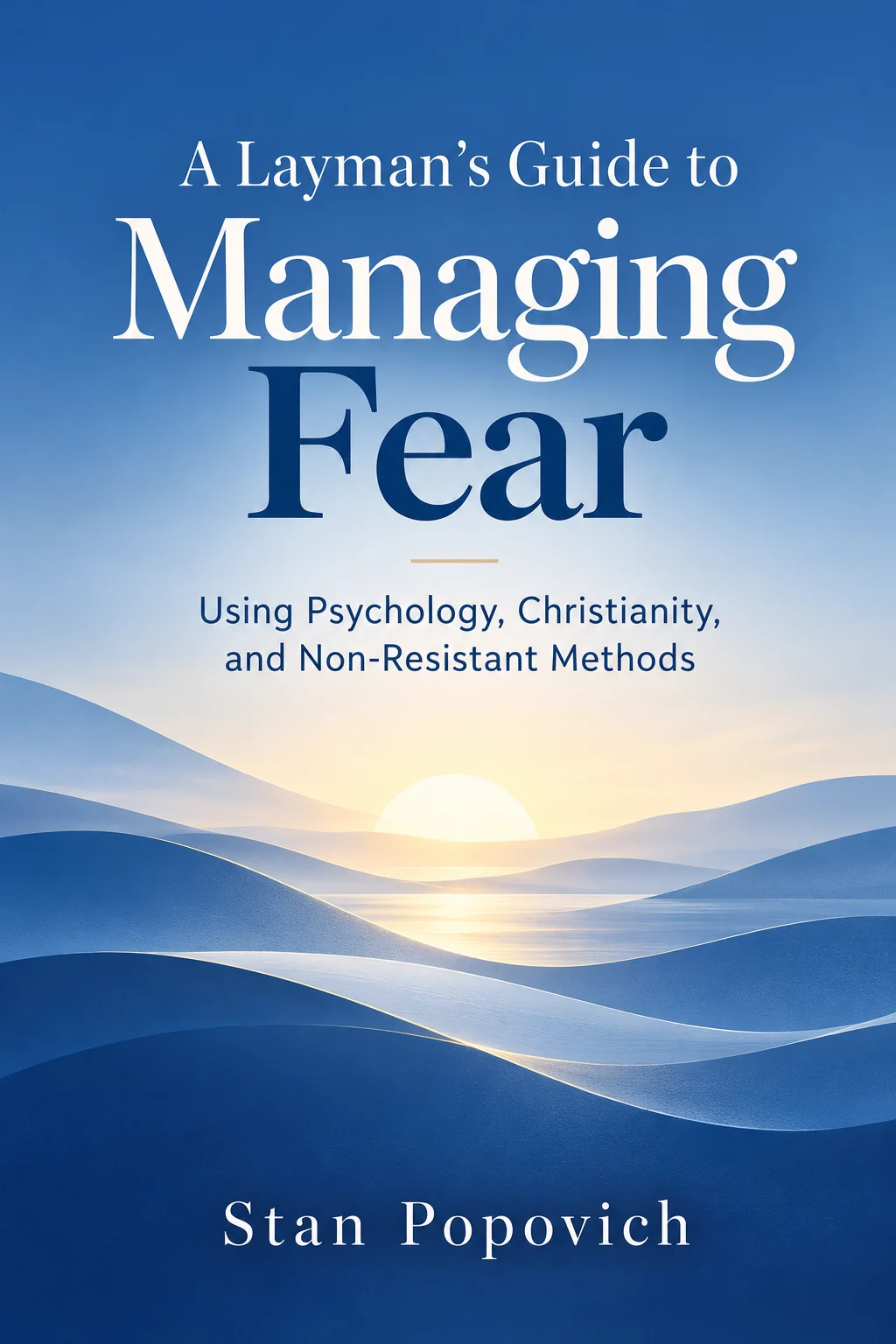
A Layman’s Guide to Managing Fear has 200+ practical strategies for fear, worry and anxiety.
Get the book · $9.99How Can You Reduce Anxiety Before an Exam?
Exam anxiety can make it difficult to concentrate and feel confident before a test. These strategies can help you calm your nerves, prepare effectively, and approach your exam with a clearer mind.
- Get adequate sleep to support memory and concentration.
- Use relaxation techniques such as deep breathing, meditation, or gentle stretching.
- Eat and stay hydrated before the exam to avoid unnecessary discomfort.
- Use positive self-talk and remind yourself that you have prepared as well as you can.
- Review the exam structure, question types, and time limits so you know what to expect.
- Practice with sample exams to become more comfortable with the material and format.
- Take meaningful study breaks rather than studying continuously.
- Arrive early so you have time to settle in and avoid last-minute rushing.
- Set realistic expectations. Your self-worth is not determined by one test result.
- Listen to soothing music if it helps you relax before the exam.
- Briefly socialize with classmates or your teacher if that helps you feel more comfortable.
- Think of something happy to distract yourself from anxious thoughts.
- Remember that some teachers or schools may offer retakes or other options.
What Are the Best Test-Taking Strategies?
Taking a test can be stressful, but having a plan can help you stay focused and use your time wisely. These strategies can help you approach exam questions with confidence, avoid common mistakes, and improve your test-taking skills.
1. Listen to the instructions:Pay attention to information about the test structure, time limits, grading, or other instructions that may affect how you approach the exam.
2. Review the test:Look over the exam before you begin. This can help you understand its structure and decide how to manage your time.
3. Answer what you know first:Start with questions you can answer confidently. If you come across a difficult question, move on and return to it later.
4. Return to skipped questions:After completing your first pass, return to questions that you skipped and give them another try.
5. Double-check your work:If time allows, review your answers and make sure you did not miss any questions or instructions.
6. Avoid overthinking after the exam:Once the exam is finished, try not to spend excessive time replaying your answers or comparing them with others. Focus on what you can learn from the experience.
How Can You Improve Your Study Habits for Future Exams?
Improving your study habits can help you feel more prepared and confident before future exams. These strategies can help you learn from past experiences, manage your study time, and reduce test anxiety.
1. Learn from your experiences:After each exam, consider what worked well, what did not work, and what you could do differently next time.
2. Use good study habits:Give yourself enough time to learn the material. Complete assignments, review your notes, and create study guides. Studying smaller amounts over time can be more manageable than waiting until the last minute.
3. Seek support when needed:If test anxiety continues to interfere with your ability to study or take exams, talk with a teacher, school counselor, or other qualified professional about available support.
How Can You Manage Anxiety During Multiple Exams?
Facing several exams can intensify anxiety. Pay attention to how you are feeling and use simple strategies such as deep breathing or taking a short break when appropriate.
Focus on one subject, assignment, or practice problem at a time rather than thinking about every exam at once. During each test, concentrate on the question in front of you and use the test-taking strategies that work for you.
Afterward, reflect on what you learned from the experience and use that information to prepare for the next exam.
My Personal Experience
I have lived with fear and anxiety for more than 20 years, and I have learned that fearful thoughts can make difficult situations seem worse. Overthinking can make it harder to focus.
For example, when I was a student at Penn State, I took several difficult classes in one semester. I became anxious and worried that I might fail. Instead of focusing on every possible outcome, I slowed down and concentrated on what I needed to do next. This helped me focus on my schoolwork and manage my responsibilities.
I learned that I did not need to handle everything at once. Focusing on one task at a time helped me manage pressure and move forward with greater confidence.
If you or someone you know is in crisis in the U.S., call or text 988 to reach the 988 Suicide & Crisis Lifeline, available 24/7. This article is educational and is not a substitute for professional care.
Stan is the author of A Layman’s Guide to Managing Fear and the creator of the Managing Fear Framework. He has lived with anxiety for more than 20 years and has been featured on 30+ TV and radio programs.
More about Stan →