How to Manage Stress in Relationships: Practical Strategies
To manage relationship stress, improve communication and set healthy boundaries.


How Can You Manage Stress and Anxiety in a Relationship?
Managing stress in a relationship starts with improving communication, understanding each other’s needs, setting healthy boundaries, and responding calmly during conflicts. Relationship stress is common, but learning how to handle emotions and work through challenges together can strengthen trust, connection, and emotional well-being.
The American Psychological Association (APA) notes that open communication, listening to your partner’s point of view, and using constructive approaches during disagreements can help support healthier relationships. The APA also notes that psychologists can help couples improve communication and work through recurring conflicts.
How Do Relationships Affect Mental Health?
Stress and conflict are common in relationships. When overwhelming, they can contribute to anxiety, depression, or other mental health challenges. Recognizing this helps you set boundaries, communicate effectively, and seek support, which in turn helps you feel calmer, balanced, and connected.
How Can Clear Expectations Reduce Relationship Stress?
Relationships—whether dating, friendships, or marriages—work best when you understand what you and the other person want. Consider how you feel about the relationship, how much time you want to spend together, where it’s headed, and whether you’re open to seeing others. Clarifying these things can reduce stress, improve communication, and help maintain emotional balance.
What Are the Best Ways to Manage Relationship Anxiety?
Relationship anxiety can cause stress and misunderstandings. These strategies can help you manage concerns, improve communication, and strengthen your relationship.
1. Be a good listener: Give your partner your full attention. Avoid judging or interrupting. Truly listening helps you understand their feelings and prevents misunderstandings.
2. Prepare for disagreements: Arguments happen during stressful times. Listen carefully, and if you feel angry, take a few deep breaths before responding.
3. Consider the source of stress: Reflect on whether your actions or external pressures may be contributing to the conflict.
4. See their perspective: Try to understand your partner’s point of view. Ask questions if you’re unsure and avoid assuming you know their feelings.
5. Learn to compromise: Balance your needs with your partner’s to find solutions that strengthen your relationship. For example, managing your finances or agreeing on household responsibilities can be things you can work on.
6. Highlight positives: Acknowledge the positive aspects of your relationship. Express gratitude for the little things—they make your partner feel valued.
7. Tackle one conflict at a time:Focus on resolving a single issue before moving on. Addressing multiple problems at once can feel overwhelming.
8. Admit mistakes:Acknowledge when you’ve done something wrong. Taking responsibility helps you learn and grow, and offering a sincere apology can repair trust and strengthen your relationship.
9. Collaborate as a team: Relationships are like a team—each person contributes. Helping each other regularly and sharing responsibilities strengthens your bond and keeps the relationship balanced.
10. Adjust expectations:Accept yourself, your partner, and your relationship as they are today. It’s natural to wish the honeymoon phase would last forever, but people and relationships change over time. Each milestone brings new dynamics and routines, and embracing these changes helps maintain a healthy, balanced connection.
11. Give each other space:Spending time with others is important when you are in a relationship. Allowing each person room for personal activities and interests helps maintain balance, reduce tension, and strengthen your connection.
12. Seek professional guidance: There is nothing wrong with seeking help. Maintaining a relationship can be difficult, so it’s important to seek advice from an experienced professional. This is a great way to learn strategies for maintaining healthier relationships.
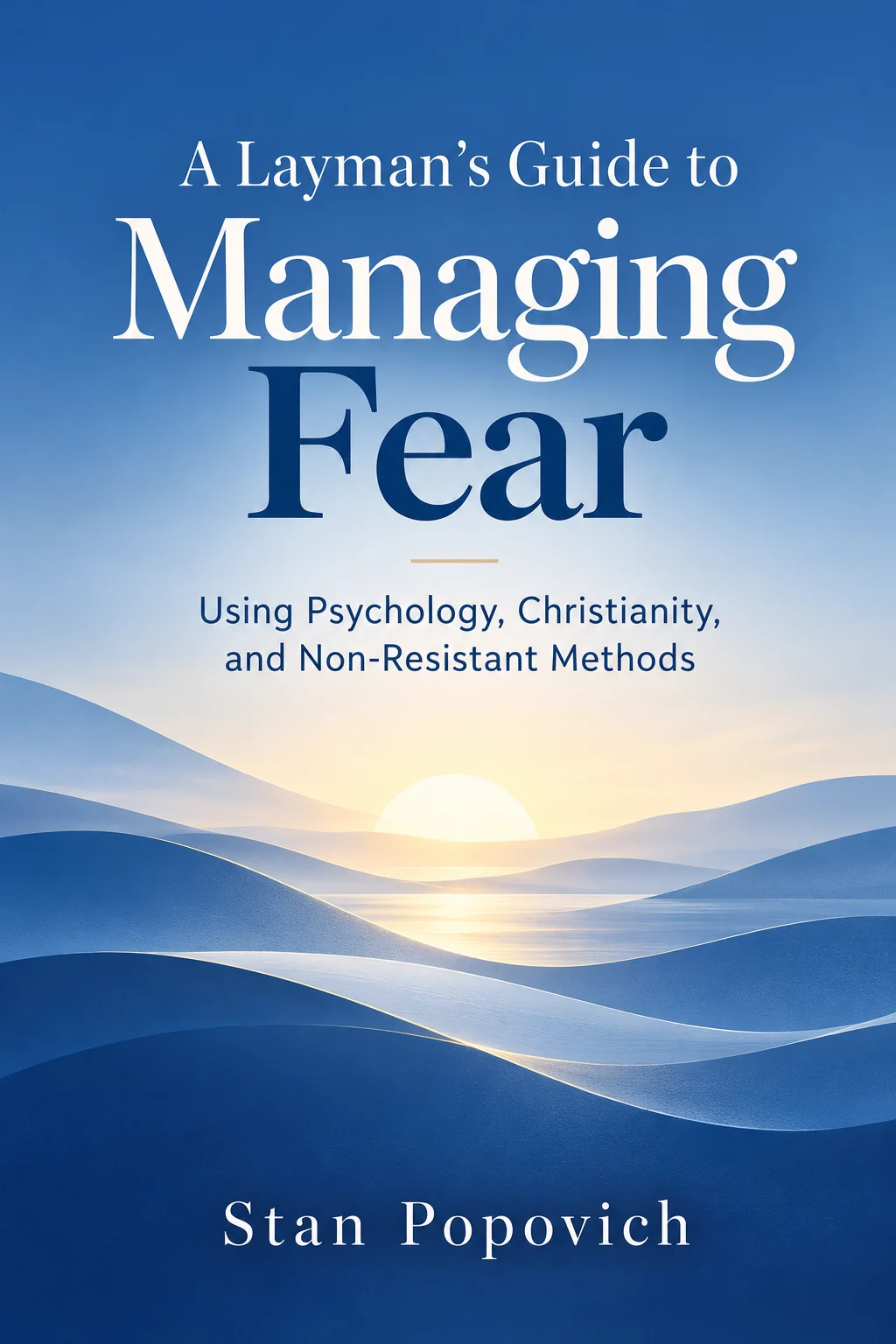
A Layman’s Guide to Managing Fear has 200+ practical strategies for fear, worry and anxiety.
Get the book · $9.99How Can You Manage Jealousy and Build Trust?
Jealousy and trust concerns are common in relationships and can trigger anxiety, overthinking, or conflict. These feelings are normal, but how you respond matters. Start by pausing and observing your emotions before reacting. Identify what triggers your jealousy or insecurity and consider whether your fears are based on facts or assumptions.
Communicate intentionally with your partner. Share your feelings calmly, ask clarifying questions, and focus on understanding each other rather than assigning blame. Over time, these deliberate steps—pausing, examining triggers, and practicing clear communication—help you manage jealousy, strengthen trust, and maintain emotional balance in your relationship.
How Can You Handle Relationship Arguments Calmly?
During disagreements, notice your emotions—frustration, anger, or anxiety—and acknowledge that they are natural. Ground yourself by listening fully, avoiding interruptions, and focusing on truly understanding the other person’s perspective.
Take one small step at a time by addressing a single issue rather than trying to solve everything at once. Afterwards, reflect on how careful listening and tackling one concern at a time reduced tension. Practicing these steps consistently strengthens communication, builds trust, and helps you navigate conflicts with greater calm and confidence.
How Can You Cope With the End of a Relationship?
Sometimes, despite your best efforts, ending a relationship may be the healthiest choice. Here are ways to cope and move forward:
1. Give yourself time: Feeling sad or unmotivated is normal at first. Be patient—your emotions will ease over time.
2. Develop new friendships: Volunteer or join local groups to meet people. Helping others boosts your mood and sense of purpose.
3. Stay active: Pursue hobbies, travel, or try new experiences that bring you joy.
4. Spend time with animals: Pets provide companionship and comfort. Consider adopting a pet or volunteering at an animal shelter.
5. Focus on the present: Put energy into the present and future. Spend time with friends and enjoy meaningful activities and goals.
6. Manage negative thinking: Avoid dwelling on negativity. Stay positive and remember relationships evolve naturally.
My Personal Experience
I have lived with fear and anxiety for more than 20 years, and I have learned that stress can make it difficult to see situations clearly. Considering another person’s perspective can help reduce misunderstandings.
For example, I once disagreed with a friend about whether to go to a bar or attend another friend’s party. At first, I focused on what I wanted and believed my choice made more sense. Instead of arguing, I listened to my friend’s reasons for preferring the other option. I realized she had priorities I had not considered.
This experience taught me that listening before judging helped me avoid assumptions and understand other people’s decisions. I learned that I could respect another person’s perspective without necessarily agreeing with it.
If you or someone you know is in crisis in the U.S., call or text 988 to reach the 988 Suicide & Crisis Lifeline, available 24/7. This article is educational and is not a substitute for professional care.
Stan is the author of A Layman’s Guide to Managing Fear and the creator of the Managing Fear Framework. He has lived with anxiety for more than 20 years and has been featured on 30+ TV and radio programs.
More about Stan →