How to Help Someone With PTSD: Support and Coping Strategies
Helping someone with PTSD requires patience, knowing their triggers, and offering stability.

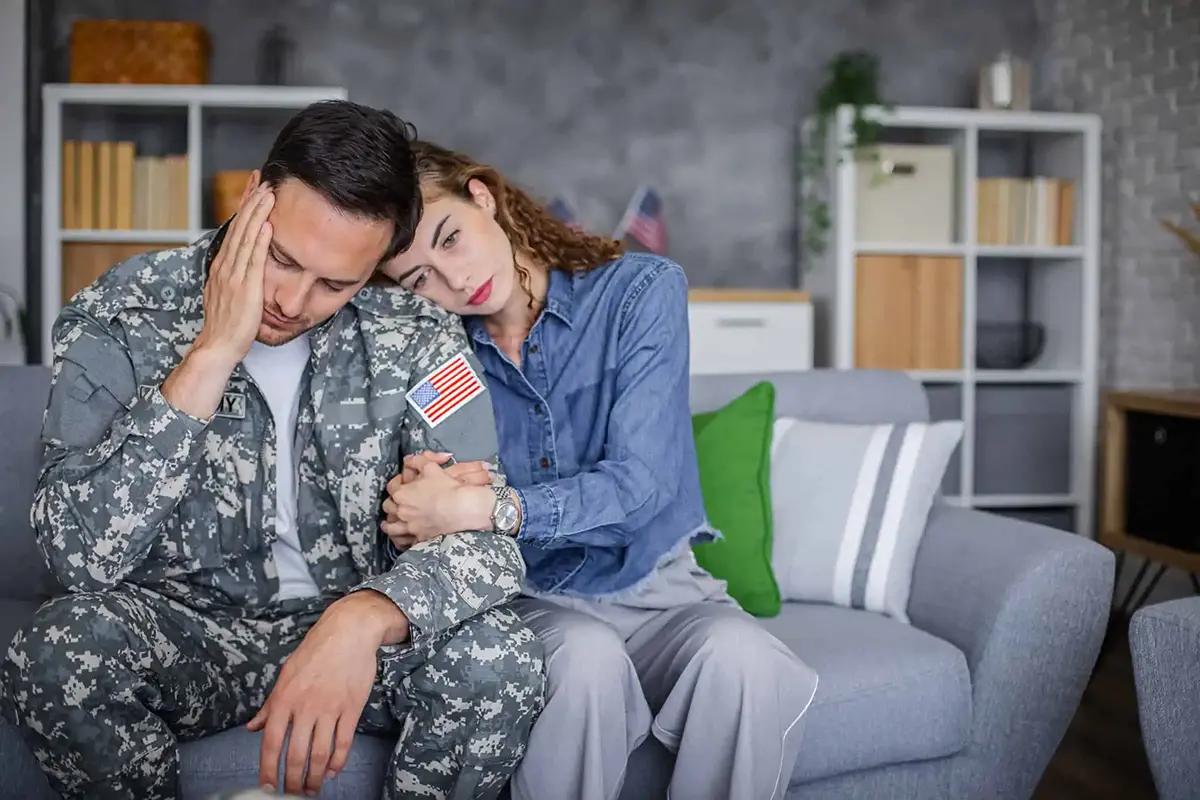
Need Help With a Mental Health or Substance Use Crisis? If you or someone you know is experiencing a mental health or substance use crisis, call or text 988 to reach the 988 Suicide & Crisis Lifeline. For information about substance use treatment and referrals, call SAMHSA’s National Helpline at 1-800-662-HELP (4357).
How Can You Support Someone With PTSD?
Supporting someone with PTSD involves learning about their symptoms, listening with patience, creating a safe environment, encouraging healthy coping strategies, and supporting professional treatment when needed. PTSD can feel overwhelming, but understanding their experience and responding with compassion can help them feel less alone and more in control.
The National Institute of Mental Health (NIMH) recommends offering emotional support, understanding, patience, and encouragement to someone with PTSD. NIMH also recommends learning about PTSD, listening carefully, paying attention to situations that may trigger symptoms, and encouraging appropriate treatment.
What Is PTSD and How Does It Affect Someone?
PTSD happens when a traumatic event continues to affect your mind, emotions, sleep, or relationships. You may feel anxious, on edge, or disconnected from others. Trauma can come from accidents, assault, natural disasters, or war. The good news is PTSD is treatable with the right support.
What Are the Common Symptoms of PTSD?
PTSD symptoms vary and are not a sign of weakness. People may experience recurring upsetting memories or flashbacks, nightmares, or disturbed sleep. They might avoid reminders of the trauma, struggle with negative thoughts about themselves or others, or feel persistent fear, guilt, or anger. Emotional numbness, detachment, or loss of interest in activities is common, along with heightened startle responses and difficulty concentrating.
These reactions are natural responses to trauma, reflecting how the brain and body remain on high alert. Recognizing these symptoms is the first step in managing PTSD, helping you or your loved one understand that these experiences are valid and treatable.
How Can You Help Someone With PTSD?
PTSD can be challenging, but healthy coping strategies and professional support can help you manage symptoms and feel more in control. These approaches can help you handle triggers, reduce anxiety, and find support.
1. Know your triggers: Certain dates, places, or situations can feel especially difficult after trauma. These reactions are completely normal, and you are not alone in experiencing them.
2. Focus on your breathing: When you get anxious, you might stop breathing normally, which increases your feelings of fear and panic. Focus on taking deep breaths to manage your anxiety.
3. Remind yourself that you are safe: It may help to tell yourself that the trauma is over, and you are not in danger. Spending some time with a loved one can help you feel safe. Talking about your feelings can also help you feel better.
4. Practice grounding:Grounding helps you return to the present during a flashback or anxiety episode. Focus on your surroundings and your senses—what you can see, hear, touch, smell, or taste—to feel safe.
5. Seek treatment: Getting treatment early makes PTSD easier to manage. PTSD is not a sign of weakness. Overcoming it means acknowledging what happened and accepting it as part of your past. Talking to a therapist or doctor can make this process much easier.
6. Adopt a healthy lifestyle:It’s important to take care of yourself and develop some healthy lifestyle habits. Avoid alcohol and drugs. When you’re struggling with difficult emotions and traumatic memories, you may be tempted to self-medicate with alcohol or drugs. Substance abuse worsens symptoms of PTSD and can interfere with treatment.
7. Keep moving: Exercise can do more than boost your mood—it can help your body and nervous system reset. Moving your body can ease the “frozen” feeling that often comes with PTSD and help you feel more in control.
8. Engage in enjoyable activities:Creative activities such as art, music, or writing provide a healthy, therapeutic way to express and process your emotions. You will have success with others and also increase your self-confidence.
9. Try journaling: Writing down your feelings can be a useful coping skill for PTSD. It can help people express and process their thoughts and feelings, which can be a good way of coping with anxiety and fear. This provides a safe place for random thoughts, feelings, and experiences that would otherwise clutter your mind.
10. Find a local support group:It is important to join a local support group. There, you can get advice from others who have similar experiences. Many people who struggle with PTSD will be better able to relate to those who may have similar experiences and insights.
11. Consider group therapy:Group therapy can be a valuable tool in treating PTSD, offering a safe space for individuals to share their experiences, learn coping skills, and connect with others who have similar trauma histories.
12. Manage nightmares: If you wake up from a nightmare, remind yourself that you are reacting to a dream. Having the dream may trigger panic, even though there is no real danger. You can get out of bed, regroup, or engage in a calming activity.
A Layman’s Guide to Managing Fear has 200+ practical strategies for fear, worry and anxiety.
Get the book · $9.99How Can You Help Someone With PTSD?
Practical support complements professional help. You can:
- Offer emotional support with patience and understanding
- Learn about PTSD to better understand their experience
- Listen without trying to solve problems
- Encourage positive distractions, like walks or hobbies
- Help them regain confidence and a sense of control
- Establish routines to provide stability
- Learn their triggers and coping strategies
- Create a safe, relaxing environment at home
- Address worries about treatment
- Encourage connection with family and friends
- Maintain everyday activities to foster normalcy
How Can You Regain Control After Trauma?
After trauma, the brain and body stay on high alert. Simple advice like “just calm down” often fails. Gradually noticing triggers and early bodily signals, taking small, deliberate actions (like pressing feet into the floor or touching a comforting object), and anchoring yourself in the present can retrain your nervous system to recognize safety.
Over time, these steps build confidence, insight, and help reduce fear and hypervigilance. One common challenge after trauma is experiencing nightmares and flashbacks. The following strategies can help you manage these episodes effectively.
How Can You Cope With PTSD Nightmares and Flashbacks?
Nightmares and flashbacks are a natural response to trauma and do not reflect weakness. When they occur, take small, manageable steps to care for yourself, focusing on strategies or routines that help you feel calmer and safer.
Consistently practicing these steps strengthens your coping skills, builds resilience, and makes episodes easier to manage. Progress may be gradual, but each step contributes to a greater sense of control, stability, and confidence in handling difficult moments.
My Personal Experience
I have lived with fear and anxiety for more than 20 years, and I have learned that certain situations can bring difficult emotions back. Recognizing my triggers helps me understand my feelings and decide how to respond.
For example, I once had a panic attack in a chemistry lab at college. A few years later, returning to that lab for another class brought back memories of the experience, and I began to feel anxious. Instead of letting those memories take over, I grounded myself and focused on my surroundings. I reminded myself that I was in a different situation and that the earlier experience was not happening again.
I learned that recognizing the difference between past experiences and the present helped me manage my anxiety and stay focused on the moment.
If you or someone you know is in crisis in the U.S., call or text 988 to reach the 988 Suicide & Crisis Lifeline, available 24/7. This article is educational and is not a substitute for professional care.
Stan is the author of A Layman’s Guide to Managing Fear and the creator of the Managing Fear Framework. He has lived with anxiety for more than 20 years and has been featured on 30+ TV and radio programs.
More about Stan →