How to Cope With Grief: Practical Strategies for Healing
Healthy coping strategies for grief involve processing emotions and establishing routines.


How Can You Cope With Grief After a Loss?
Coping with grief involves allowing yourself to process emotions, seeking support, creating healthy routines, and taking small steps toward healing. Grief can bring sadness, anger, confusion, and uncertainty, but understanding your emotions and using healthy coping strategies can help you navigate loss over time.
The National Institute of Mental Health (NIMH) notes that losing a loved one can affect mental health and that staying connected with supportive people, maintaining healthy routines, and using activities that reduce stress can help people cope with difficult emotions.
What Is Grief and What Are the Common Responses to Loss?
Grief is the emotional pain you feel after losing someone or something important. It can appear as sadness, anger, guilt, confusion, low self-confidence, or even moments of relief.
Clinically, grief is a natural psychological and physical response to loss, affecting emotions, thoughts, behavior, and relationships. While grief often softens over time, prolonged or complicated grief can interfere with daily life and may require extra support.
What Are the 7 Stages of Grief and How Do They Affect Healing?
The seven stages of grief provide a framework for understanding the emotions that follow a loss. Not everyone experiences every stage, nor in a specific order. Your experience may differ from others:
1. Shock: Shock often shows up as numbness or disbelief. It can act as an emotional buffer, helping protect you from feeling overwhelmed right away. Even when a loss is expected, shock can still occur.
2. Denial: Denial helps your mind process the loss at a manageable pace. It allows you to cope with what you can handle in the moment. As reality slowly sets in, denial often begins to fade.
3. Anger: Anger may be directed toward loved ones, doctors, yourself, or even the person who died. This stage replaces numbness with emotion. Beneath the anger is pain, and expressing it can help you move through grief.
4. Bargaining: Bargaining involves thoughts of “what if” or “if only.” You may replay events or feel guilt about things you wish you had done differently.
5. Depression: This stage can bring deep sadness, emptiness, or withdrawal. You may lose interest in activities you once enjoyed or feel disconnected from others. These feelings are a natural response to loss.
6. Testing: Testing is about finding ways to cope and move forward. You begin experimenting with new routines and strategies as you adjust to life after the loss.
7. Acceptance: Acceptance means acknowledging the loss and learning how to live with it. It doesn’t mean you’re “okay” with what happened, but that you understand life continues and begin forming a new normal.
How Can Faith Help People Cope With Grief and Loss?
Here is how Christians view grief and death, which is based on the Bible’s perspective. This can help in the grieving process.
1. Understand how death works: Death is the bridge between this world and God’s world, which we call Heaven. When a person dies, they cross the bridge from this world to Heaven. If the person has accepted God/Jesus in their life, they will enter Heaven. God’s promises and being with Him in Heaven should be greater than your fear of death.
2. You will see your loved ones again: The good news is that if you accepted God/Jesus into your life, you will go to Heaven and see your loved ones again, including your pets. Your loved ones are in Heaven along with everyone else. Remember that nothing is impossible with God.
3. You are not saying goodbye: Your loved ones and your pets are not gone, and you will see them again if you accept God/Jesus during your time on Earth. The key is that you need to rely on the promises of God and the Bible. Understanding how the process works will reduce your grief because you know that you will see your loved ones again.
4. Death is not final: Contrary to what everyone may think, death is not final with God/Jesus. Put your faith in Him and rely on what is written in the Bible. You have two choices. You can listen to other people’s perspectives on death or put your faith in Jesus. Remember that God is in control and all you need to do is to have faith.
Many fear their loved ones are gone forever, but faith in God brings comfort. The Bible teaches that death is not final, and those who accept God/Jesus will reunite with their loved ones in Heaven. Pray, seek guidance, and trust in His promises to help navigate your grief.
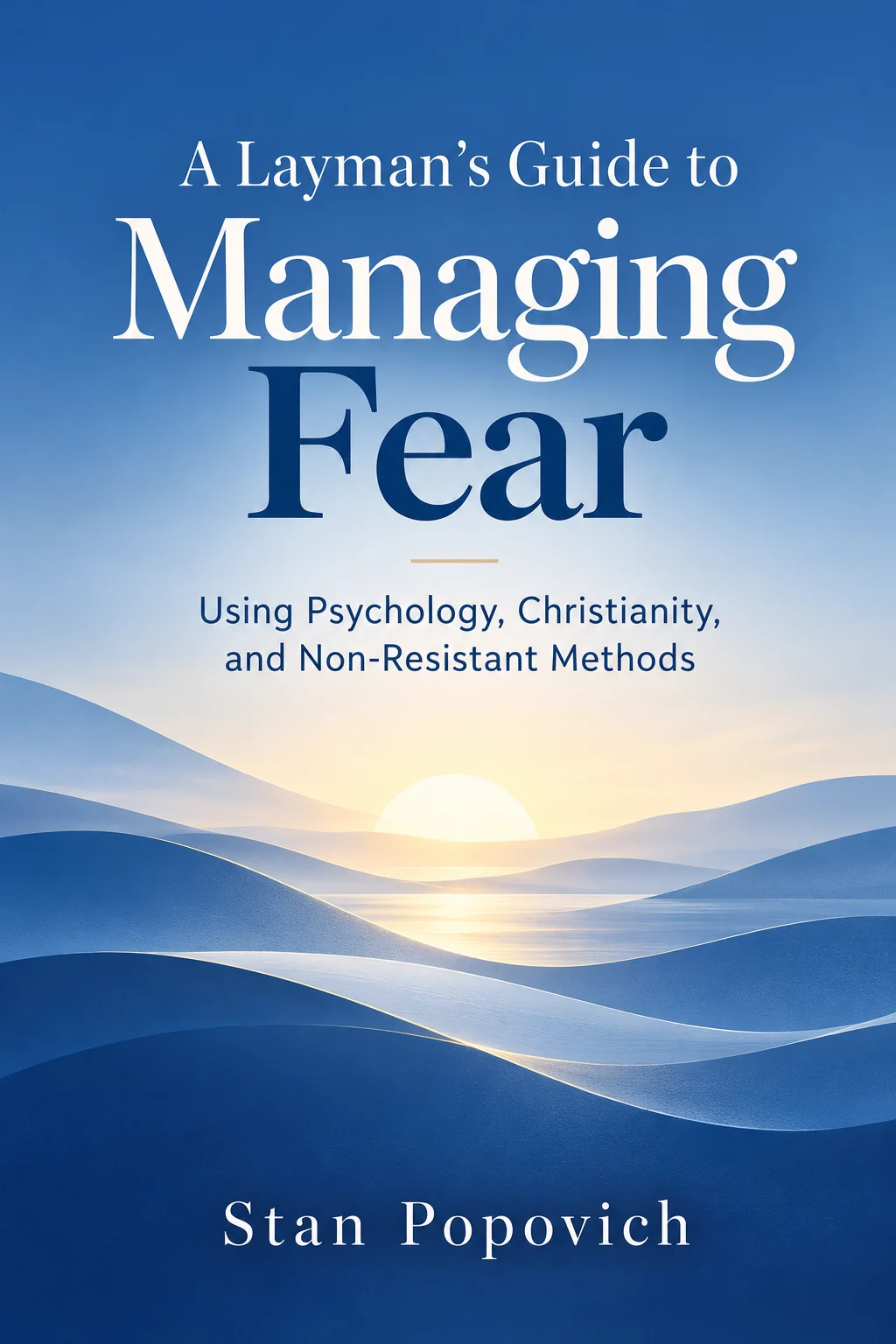
A Layman’s Guide to Managing Fear has 200+ practical strategies for fear, worry and anxiety.
Get the book · $9.99What Are Healthy Ways to Cope With Grief?
Grief can be difficult to navigate, but healthy coping strategies can help you adjust to your loss. These approaches can help you process your emotions, find support, and take care of yourself during this challenging time.
1. Embrace your emotions: Grief can span the entire emotional spectrum. Allow yourself to feel these emotions without judging. Accept them, understand them, and let them flow through you.
2. Write it down: Journaling provides a safe harbor for your feelings, memories, and thoughts. Write and let your thoughts flow like waves on the page. This process can bring clarity, understanding, and a sense of release.
3. Create a routine: Loss can leave us adrift from our familiar routines. Rebuilding structure can offer stability and comfort. Make a routine that includes activities that bring you peace and happiness. You could take a walk on the beach or read a book at your favorite park.
4. Do a physical activity:Exercise is a powerful tool for dealing with grief. It releases endorphins, natural mood chemicals that can help calm the storm inside.
5. Seek solitude and reflection:Give yourself time for quiet reflection and solitude. In these moments, you can genuinely process your thoughts and feelings. Consider incorporating mindfulness practices such as meditation.
6. Join a grief support group:Joining a bereavement group can be helpful. Take it one day at a time and try to make the effort of being active with others in your community. Getting involved in a social activity can increase your chances of making new friends and can reduce loneliness.
7. Talk to a counselor: Seek help from a mental health counselor or grief coach who can give you additional insights on how to deal with losing a loved one. A counselor can give you advice and ideas on how to overcome your mental health issues such as PTSD and depression.
8. Include God in your life:Including God in your everyday living can help reduce your sadness. You can talk to a priest or minister for some guidance regarding your feelings and concerns. Spending time with God and asking God for help in your time of sadness can be of great comfort.
How Can You Find Comfort and Hope While Grieving?
Many fear their loved ones are gone forever, but faith in God offers comfort. The Bible teaches that death is not final, and those who accept God/Jesus will reunite with their loved ones in Heaven.
Read the Bible on what happens after you die. Pray to God and ask for His help. Accept Him in your life. If you do these things, you will see your loved ones again. Nothing is impossible with God. Focus on Him and don’t worry about what anyone else thinks.
What Can You Do When Grief Feels Overwhelming?
When grief feels overwhelming, pause and take a slow, deep breath. Identify one small, manageable action you can take—like stepping outside, journaling a thought, or taking a short walk. Focus on that single step before moving on.
I used to try to push my feelings away or wait until I “felt ready,” which only made the moment heavier. What actually helped was taking small, deliberate actions and being gentle with myself, one step at a time. Over time, difficult moments become more manageable when approached step by step.
How Can You Manage Fear During Life Changes After Loss?
Major changes—like moving to a new city, starting a new job, or adjusting to life after a loss—can trigger fear and anxiety. These transitions may feel overwhelming because they disrupt routines and push you out of your comfort zone. You can take small, deliberate steps to regain control. Start by noticing your physical and emotional reactions without judgment.
Then, identify one manageable action, such as creating a daily routine, reaching out to supportive friends, or breaking a big change into smaller tasks. Gradually, these intentional steps help you adjust, build confidence, gain success, and approach life’s transitions with resilience rather than fear.
My Personal Experience
I have lived with fear and anxiety for more than 20 years, and I have learned that difficult emotions can feel heavier when handled alone. Talking with someone I trust can provide another perspective and remind me that I do not have to face every challenge by myself.
For example, when I struggled with fear or anxiety, I sometimes kept my concerns to myself and spent too much time worrying. I found that talking with someone I trusted helped me explain my concerns and think more clearly about what to do next.
I learned that sharing my feelings was more helpful than keeping my worries bottled up. Talking things through helped me feel less alone and consider practical ways to move forward.
If you or someone you know is in crisis in the U.S., call or text 988 to reach the 988 Suicide & Crisis Lifeline, available 24/7. This article is educational and is not a substitute for professional care.
Stan is the author of A Layman’s Guide to Managing Fear and the creator of the Managing Fear Framework. He has lived with anxiety for more than 20 years and has been featured on 30+ TV and radio programs.
More about Stan →