How to Be Happier in Your Life: Practical Tips That Help
You can increase happiness by building routines, exercising, and managing fear and anxiety.


What Is Happiness?
Happiness is feeling joyful, content, or satisfied with life. It can include small pleasures as well as a deeper sense of meaning, fulfillment, and purpose. Psychologists often describe happiness as subjective well-being, which includes positive emotions and overall life satisfaction. Happiness is not a constant state and can change as people experience different circumstances.
How Can You Be Happier in Life?
Happiness is not the result of bouncing from one joy to the next. Genetics, life circumstances, relationships, achievements, and even neighbors influence well-being. Research shows, however, that much of happiness is within our control.
Engaging in small daily pleasures, immersing yourself in meaningful activities, setting and achieving goals, nurturing close relationships, and finding a purpose beyond yourself can all increase life satisfaction. The pursuit of these positive actions—not happiness itself—is what improves well-being.
The American Psychological Association (APA) explains that happiness and well-being can be influenced by factors such as positive emotions, engagement in meaningful activities, relationships, meaning in life, and a sense of accomplishment. APA also notes that positive psychology examines practical ways people can increase happiness and well-being in their everyday lives.
How Can You Manage Depression and Anxiety While Improving Happiness?
Depression and anxiety can make it difficult to feel happy and enjoy everyday life. These challenges may bring sadness, hopelessness, or exhaustion. Taking small, manageable steps can help you cope with difficult emotions and improve your well-being.
How Can Social Connections Improve Happiness?
Reaching out to friends, family, or support groups can provide important emotional support. Even brief interactions can reduce feelings of isolation and lift your mood. Socializing might feel exhausting at first, but consistent contact helps you feel less alone over time.
Can Exercise Help You Feel Happier?
Physical activity produces chemicals like endorphins and serotonin that naturally improve mood. You don’t need intense workouts—short daily walks or light movement can make a meaningful difference. The key is consistency rather than intensity.
How Does Reducing Alcohol Help Your Mental Health?
Alcohol is a depressant and can worsen negative emotions. Cutting back or avoiding alcohol helps you cope with depression more effectively. Healthy coping strategies, rather than numbing substances, support long-term mental health.
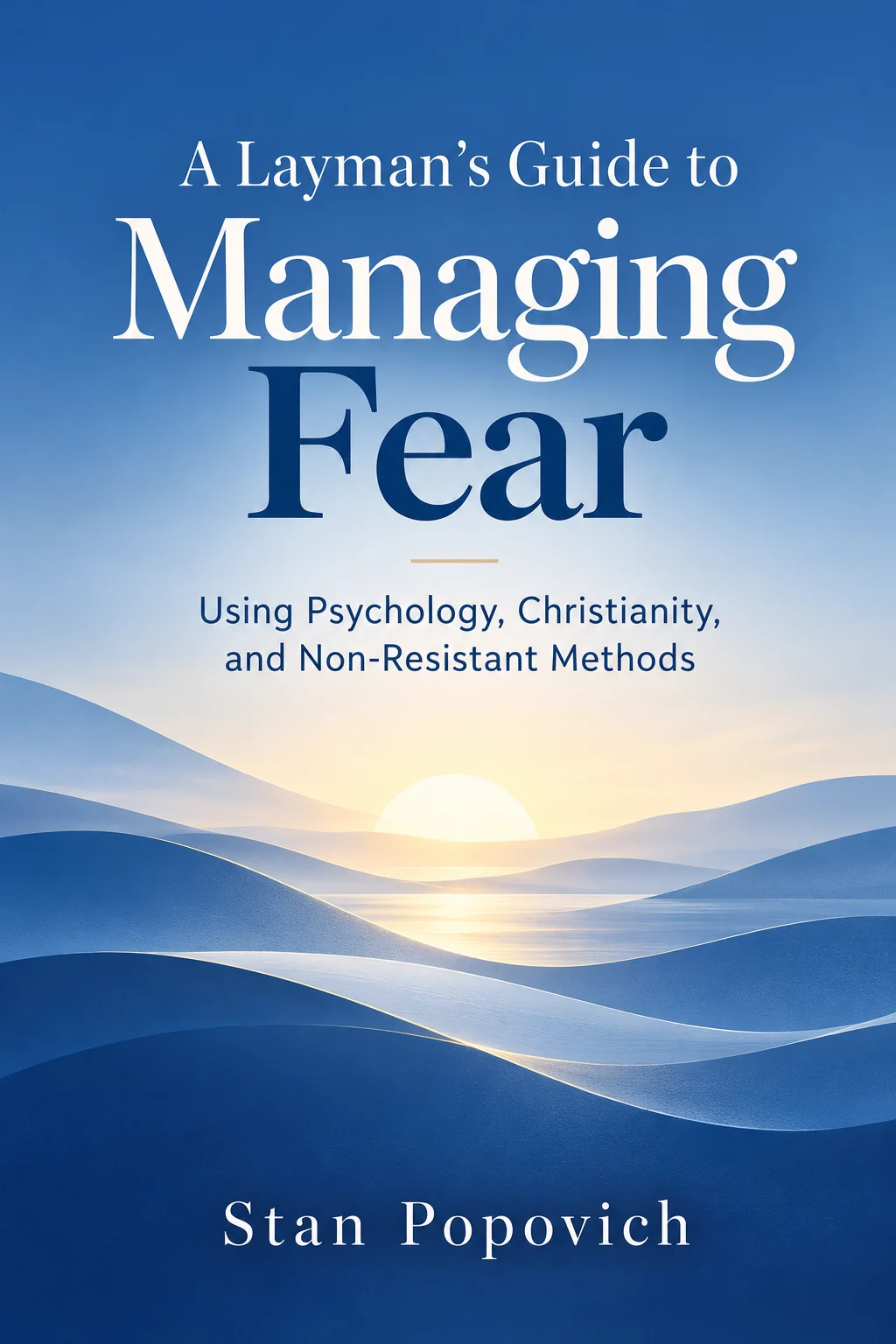
A Layman’s Guide to Managing Fear has 200+ practical strategies for fear, worry and anxiety.
Get the book · $9.99How Does Nutrition Affect Happiness and Mental Health?
Eating a balanced diet supports both your mental and physical well-being. Proper nutrition can boost energy, confidence, and self-esteem. Focus on nourishing foods that help your body function at its best.
How Can a Daily Routine Improve Your Well-Being?
A regular sleep and meal schedule can stabilize your day and prevent unhealthy habits. Consistent routines make it easier to manage tasks, maintain nutrition, and support mental health.
Can Spending Time Outdoors Improve Your Mood?
Exposure to sunlight boosts serotonin levels and can improve mood. Combining outdoor time with physical activity amplifies the benefits. Even short periods in nature can positively affect your mental health.
How Can Meditation Support Happiness and Stress Management?
Meditation can help reduce stress and support emotional well-being. It encourages you to focus on the present moment, cultivate gratitude, and manage negative thoughts. Practicing for just a few minutes each day may help you feel calmer and better equipped to handle life’s challenges.
How Can Celebrating Small Wins Improve Confidence?
Even small accomplishments—finishing a task, completing a workout, or helping a friend—matter. Begin by noticing these wins without judgment, paying attention to how they influence your mood, energy, and sense of satisfaction.
Next, take a deliberate action from your wellness toolbox—listen to music, take a short walk, or savor a cup of tea—and briefly reflect on what you achieved and how it made you feel. Over time, consistently recognizing and celebrating these small wins strengthens awareness of positive moments, builds confidence, and fosters a deeper, more lasting sense of daily happiness.
When Should You Seek Help for Depression or Anxiety?
It is important to seek help when dealing with anxiety disorders. Therapists, counselors, or support groups can provide valuable tools and strategies. Asking for help is a sign of strength, not weakness. Professional guidance can help you find long-term happiness, even during difficult times.
My Personal Experience
I have lived with fear and anxiety for more than 20 years, and I have learned that staying positive can be difficult during stressful times. Focusing on small steps helps me manage challenges.
For example, I once had a difficult day involving financial concerns and an issue with my insurance company. Thinking about everything at once made me feel overwhelmed. Instead, I handled one problem at a time. I called my bank about my finances and then contacted my insurance company.
I learned that taking practical steps helped me feel more organized and less overwhelmed. When several problems arise, focusing on one at a time can help me move forward.
If you or someone you know is in crisis in the U.S., call or text 988 to reach the 988 Suicide & Crisis Lifeline, available 24/7. This article is educational and is not a substitute for professional care.
Stan is the author of A Layman’s Guide to Managing Fear and the creator of the Managing Fear Framework. He has lived with anxiety for more than 20 years and has been featured on 30+ TV and radio programs.
More about Stan →